
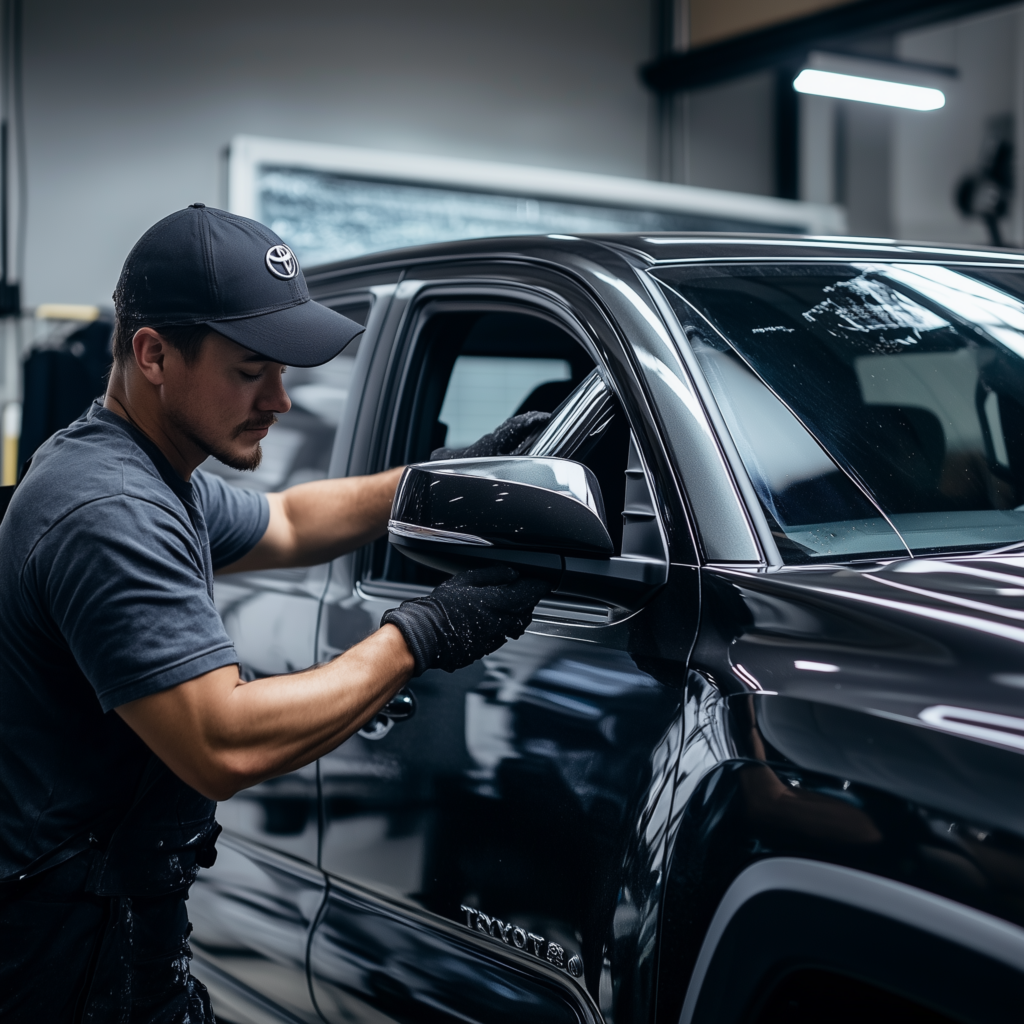
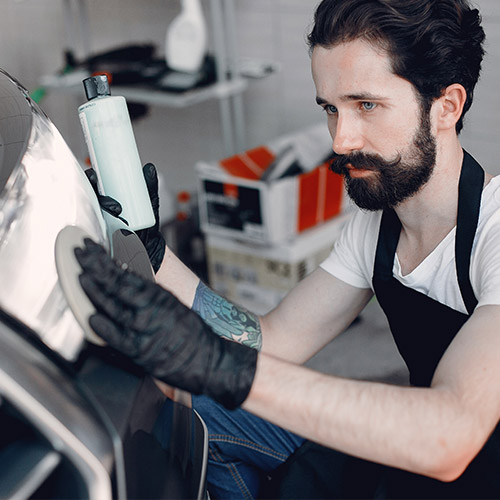
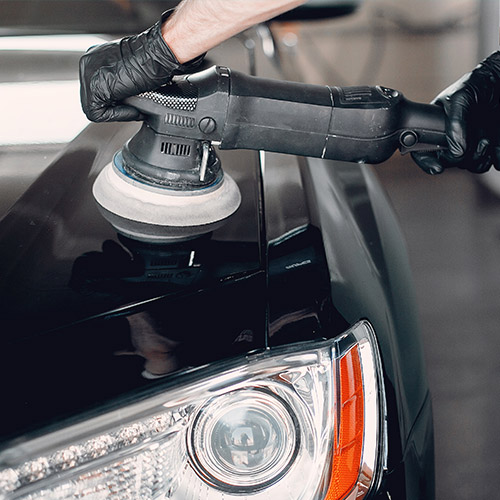
Why Choose Our Ceramic Coating Services?

At Premier Vehicle Films, we are committed to enhancing and protecting your vehicle’s appearance with our specialized ceramic coating services. Located in the vibrant city of Queen Creek, AZ, we provide a comprehensive solution that ensures your vehicle remains pristine and shielded from environmental harm.

Here’s why our ceramic coating is considered top-notch:

Expert Installation and Durability:

Our technicians are highly trained and experienced in the application of ceramic coatings. We use industry-leading techniques to ensure that the coating bonds perfectly with your vehicle’s paint, providing unbeatable durability.

Glossy, Long-Lasting Finish

One of the primary benefits of our ceramic coating is the brilliant shine it lends to your vehicle’s surface. The coating’s glossy finish not only enhances its aesthetic appeal but also provides long-lasting protection.

Environmental Shield

The ceramic coating acts as a barrier against UV rays, dirt, bird droppings, and various other elements that can damage your vehicle’s exterior. This protective layer helps keep your vehicle looking new for longer.

Queen_Creek-Queen_Creek_Town_Hal
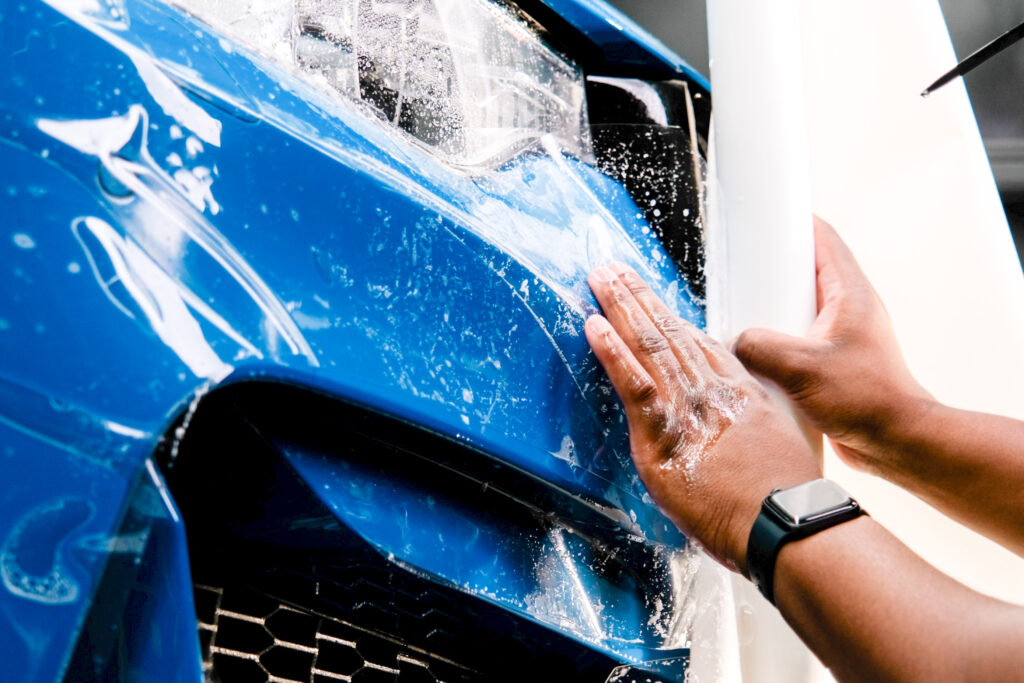
Car PPF Installation

By choosing Premier Vehicle Films for your ceramic coating needs, you’ll benefit from our commitment to quality and customer satisfaction. Our competitive edge lies in our meticulous attention to detail and the use of only the best materials.

The Benefits of Our Ceramic Coating Services

Our ceramic coating not only enhances your vehicle’s appearance but also provides numerous benefits, including:

Paint Protection Film

Enhanced Visual Appeal

The slick, glossy finish achieved with our ceramic coating gives your car a showroom-like appearance. Your vehicle will shine with enhanced color depth and clarity.

Paint Protection Film

Maintenance Simplicity

The hydrophobic properties of the ceramic coating make cleaning your vehicle a breeze. Dirt, grime, and water beads off easily, reducing the time and effort needed for washing.

Ceramic Coating

Increased Resale Value

A vehicle with a well-maintained exterior often commands a higher resale price. Our ceramic coating helps preserve your vehicle’s finish, ensuring it looks great even after years of use.

Maintenance Tips for Your Ceramic Coated Vehicle

To maximize the benefits and longevity of your ceramic coating, follow these maintenance tips:

Regular Washing:

Maintain the cleanliness of the ceramic-coated surfaces by washing your vehicle regularly. Use a pH-neutral car shampoo and avoid abrasive cloths that may scratch the coating.

Do not use any cleaning agents that are not meant for coated vehicles as they can break down the coating. Stick to products specifically designed for automotive surfaces.

Inspect and Treat:

Periodically inspect your vehicle’s coating for signs of wear or damage. Scheduling routine maintenance treatments can help maintain the protective qualities of the coating.

Taking these steps ensures that your investment in ceramic coating gives your vehicle long-lasting beauty and protection.

Not located in Queen Creek? No worries, our San Tan Valley, Mesa, and Gilbert locations are ready to offer the same outstanding services!

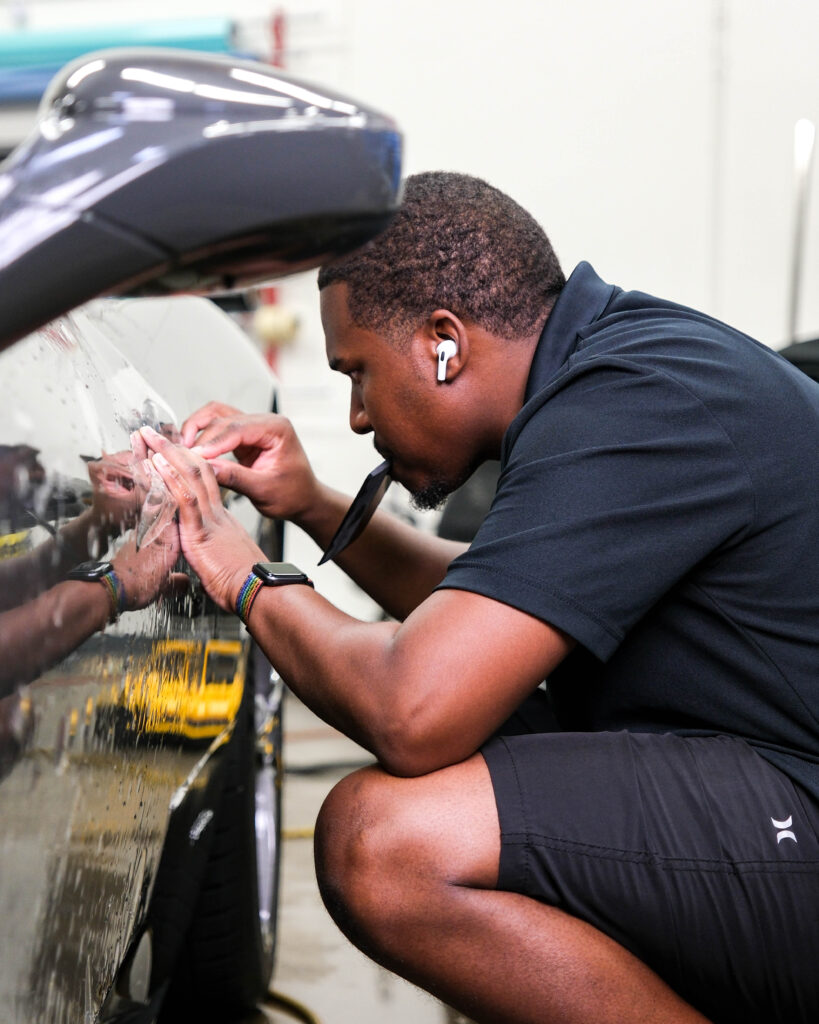
Expert PPF installation
Window Tint

Explore Our Other Services

Besides ceramic coating, Premier Vehicle Films offers a variety of services to further protect and enhance your vehicle:

Colored PPF

– Add a splash of color with maximum protection.

Paint Protection Film

– Protect your vehicle from scratches and chips.

Window Tinting

– Improve privacy and reduce interior heat.

Visit our main site to learn more about our services and view our gallery of past work. At Premier Vehicle Films, we take pride in delivering the highest quality vehicle enhancements to our clients in Queen Creek and beyond. Contact us today for a consultation!

Open Hours
Mon - Fri:
8.00 am - 8.00 pm
Saturday:
9.00am - 6.00 pm
Sunday:
9.00am - 6.00 pm

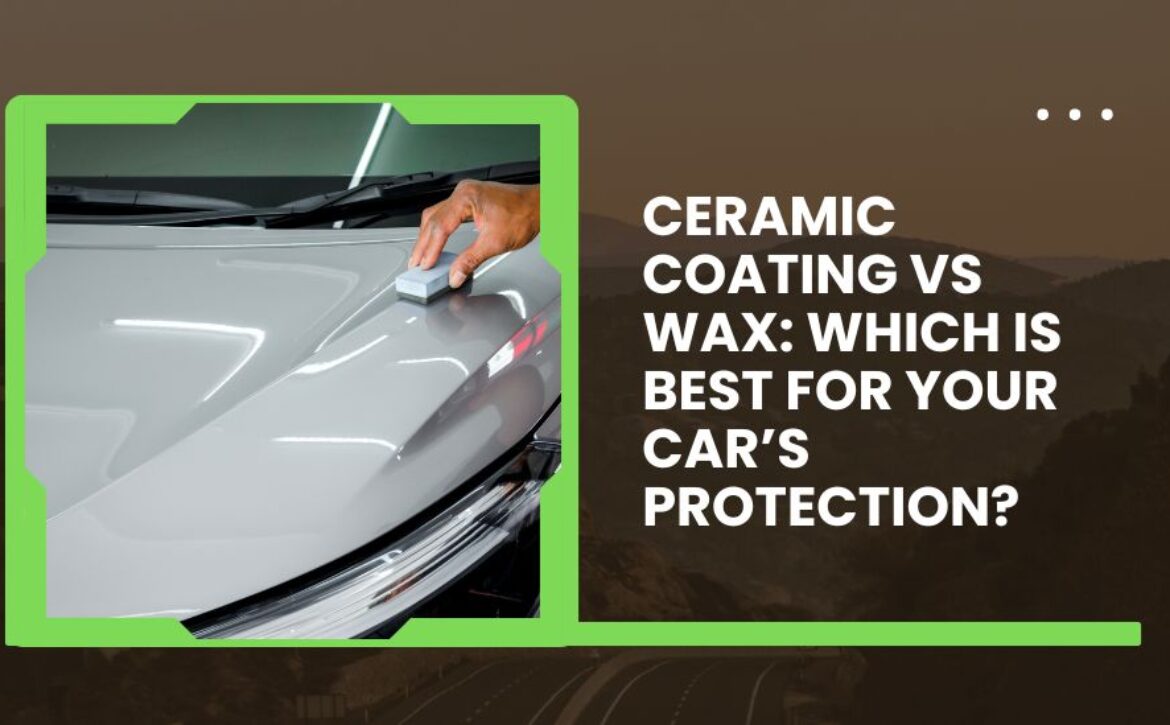
Ceramic Coating vs Wax: Which Is Best for Your Car’s Protection?

In the world of automotive care, ceramic coating has emerged as the benchmark for long-lasting paint protection. As more drivers look to maintain their vehicle’s showroom shine, questions like “Can you wax over ceramic coating?” or comparisons such as ceramic wax vs ceramic coating have become more common.

This guide breaks down the key differences between these protective methods, helping you choose what’s right for your vehicle.

What Is Ceramic Coating?

Ceramic coating is a liquid polymer that bonds chemically with your car’s paintwork. Made primarily from silicon dioxide (SiO₂)—a compound found in quartz—it creates a long-lasting layer of protection once cured.

Top Features:

  • Water-repellent surface – Promotes beading and easy cleaning

  • UV protection – Reduces paint oxidation and fading

  • Chemical resistance – Guards against bird droppings, tree sap, and road grime

  • Scratch resistance – Deters light abrasions and swirl marks

  • Gloss enhancement – Provides a sleek, reflective finish

Ceramic Coating vs Car Wax: Key Differences

While wax has long been the go-to product for a glossy finish, ceramic coating offers far more advanced protection.

Car Wax:

  • Typically made from carnauba or synthetic materials

  • Adds shine and limited environmental protection

  • Needs to be reapplied regularly

  • Quick and easy to apply by hand

Ceramic Coating:

  • Forms a hardened, semi-permanent bond with paint

  • Superior defense against UV rays and chemical contaminants

  • Offers long-term protection with minimal maintenance

  • Often requires careful surface preparation for optimal results

Bottom Line: Wax gives you instant shine but temporary benefits, while ceramic coating delivers lasting results with advanced protection.

Ceramic Wax vs Ceramic Coating: What’s the Difference?

The term ceramic wax may sound similar to ceramic coating, but they differ significantly in formulation and function.

Ceramic Wax:

  • A hybrid blend that combines traditional wax with ceramic (SiO₂) components

  • Easier to apply at home than full ceramic coatings

  • Offers a boost in durability compared to regular wax

  • Ideal for users who want better protection without a full coating process

Ceramic Coating:

  • A pure, concentrated product that bonds chemically to the paint

  • Provides stronger, longer-lasting protection

  • Easier to maintain once applied

  • Typically used on vehicles requiring more advanced care

Verdict: If you’re looking for a user-friendly upgrade from regular wax, ceramic wax is a good start. But if you want long-term performance and the ultimate gloss, ceramic coating is the top choice.

Can You Wax Over Ceramic Coating?

A common question is: Can you apply wax on top of a ceramic coating?

Yes, you can—but it’s usually not necessary. Ceramic coatings are already hydrophobic and protective. While adding wax won’t harm the coating, it typically doesn’t enhance the performance and may slightly reduce its self-cleaning abilities.

Why Some People Still Wax Over Coating:

  • To add a temporary boost in shine

  • As part of a regular detailing habit

  • For a short-term enhancement in water repellency

If you do choose to wax:

  • Wait at least a week after applying ceramic coating

  • Use non-abrasive, ceramic-safe wax products

  • Apply gently and sparingly

Benefits of Ceramic Coating for Cars

  1. Superior Paint Protection
    Shields against harmful UV rays, environmental contaminants, bird droppings, and chemical stains.
  2. Easy Cleaning
    Thanks to its hydrophobic surface, water and grime slide off easily—reducing how often you need to wash your car.
  3. Long-Lasting Gloss
    Delivers a rich, mirror-like shine that stays vibrant over time.
  4. Low Maintenance
    No need for frequent waxing or polishing. A simple hand wash keeps the vehicle looking great.
  5. Preserves Value
    Protects your vehicle’s finish, helping maintain its condition and appearance.

DIY vs Professional Ceramic Coating

Both DIY and professional applications have their place. The choice depends on your comfort level and goals.

DIY Ceramic Coating:

  • Great for detail-oriented enthusiasts

  • Typically involves shorter durability and more frequent reapplication

  • Requires careful surface prep and patience

Professional Ceramic Coating:

  • Offers a higher-quality finish and longer-lasting protection

  • Often includes paint correction beforehand

  • Applied in a controlled environment for optimal results

Tip: DIY kits are perfect for small projects or practice. For complete protection and perfection, professional application is often preferred.

Common Myths About Ceramic Coating

Myth 1: It makes your car scratch-proof
Truth: It helps resist light scratches but won’t prevent damage from impacts or deep abrasions.

Myth 2: You’ll never need to wash your car again
Truth: Dirt still collects—coating simply makes it easier to rinse away.

Myth 3: All ceramic coatings are the same
Truth: Quality varies by brand, formulation, and SiO₂ content.

How to Maintain a Ceramic Coated Car

To keep your coating in top shape:

✔ Wash regularly with pH-neutral car shampoo
✔ Avoid automatic washes with brushes
✔ Use microfiber towels for drying
✔ Apply a ceramic-safe booster spray every few months
✔ Keep the car sheltered when possible to reduce UV exposure

Final Thoughts: Ceramic Coating or Wax?

If you want a clean, glossy car with minimal effort and long-term protection, ceramic coating stands out as the superior option. While wax remains a solid choice for those who enjoy frequent detailing or need a quick gloss boost, it simply can’t match the durability and resistance of a well-applied ceramic coating.

When deciding between car wax vs ceramic coating or comparing ceramic wax vs ceramic coating, your choice depends on how much protection and maintenance ease you want. For maximum results, ceramic coating is the clear winner.
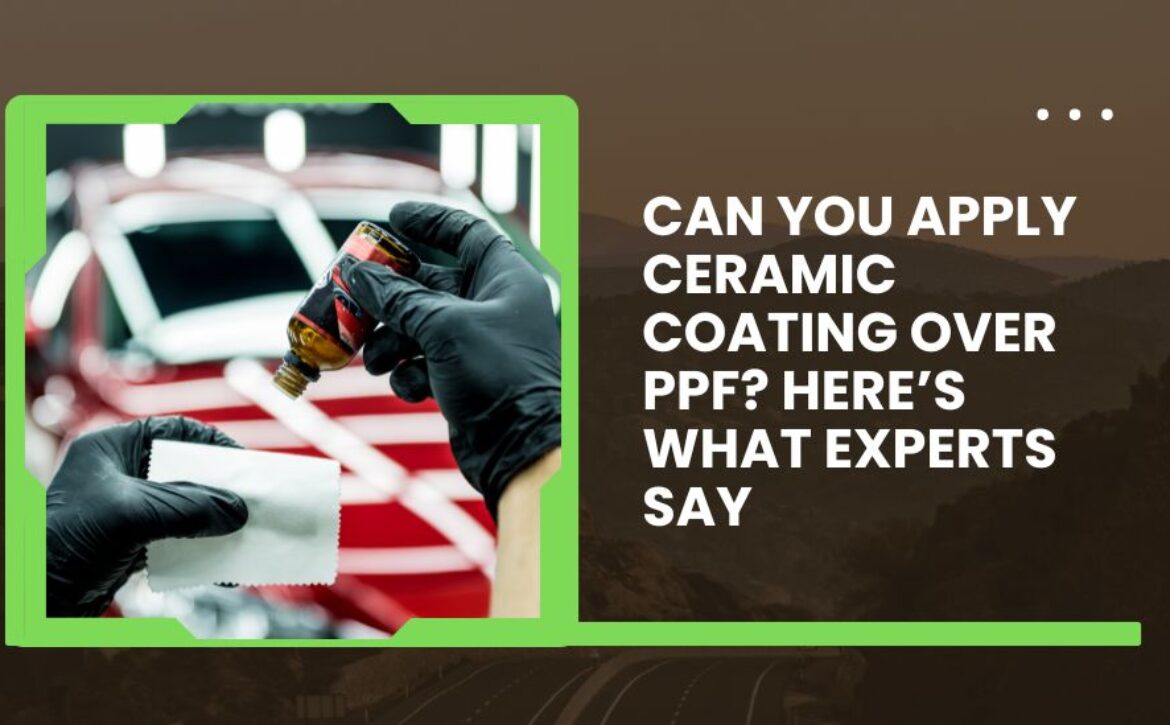
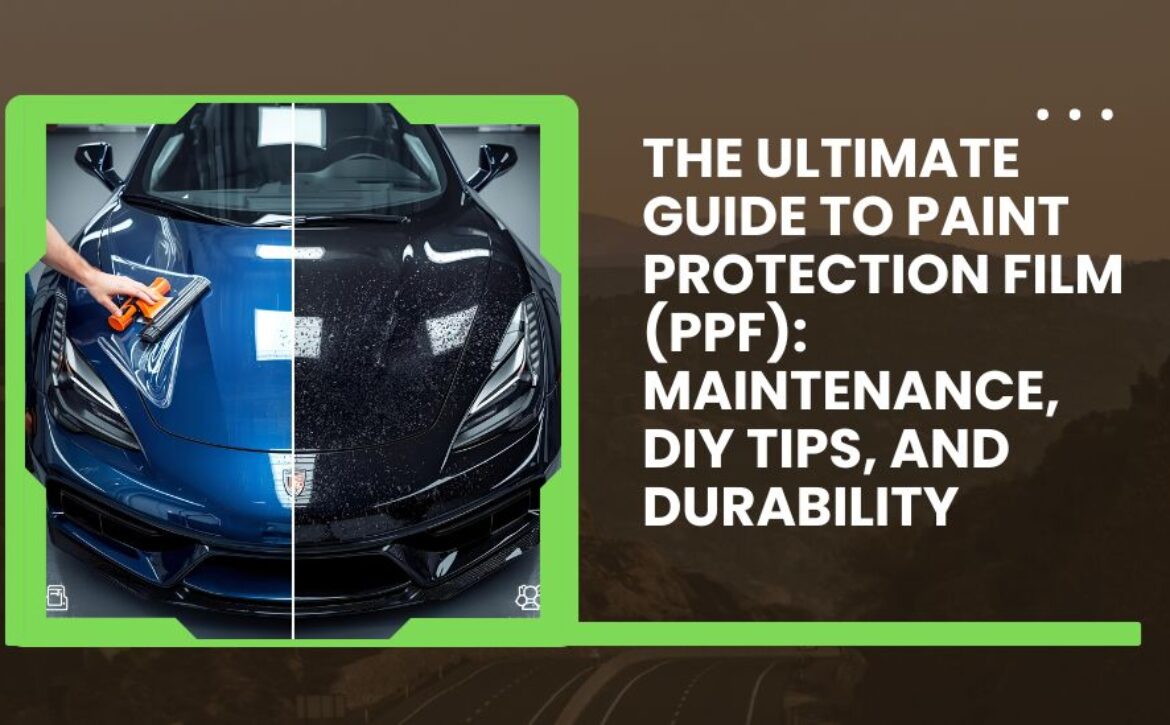
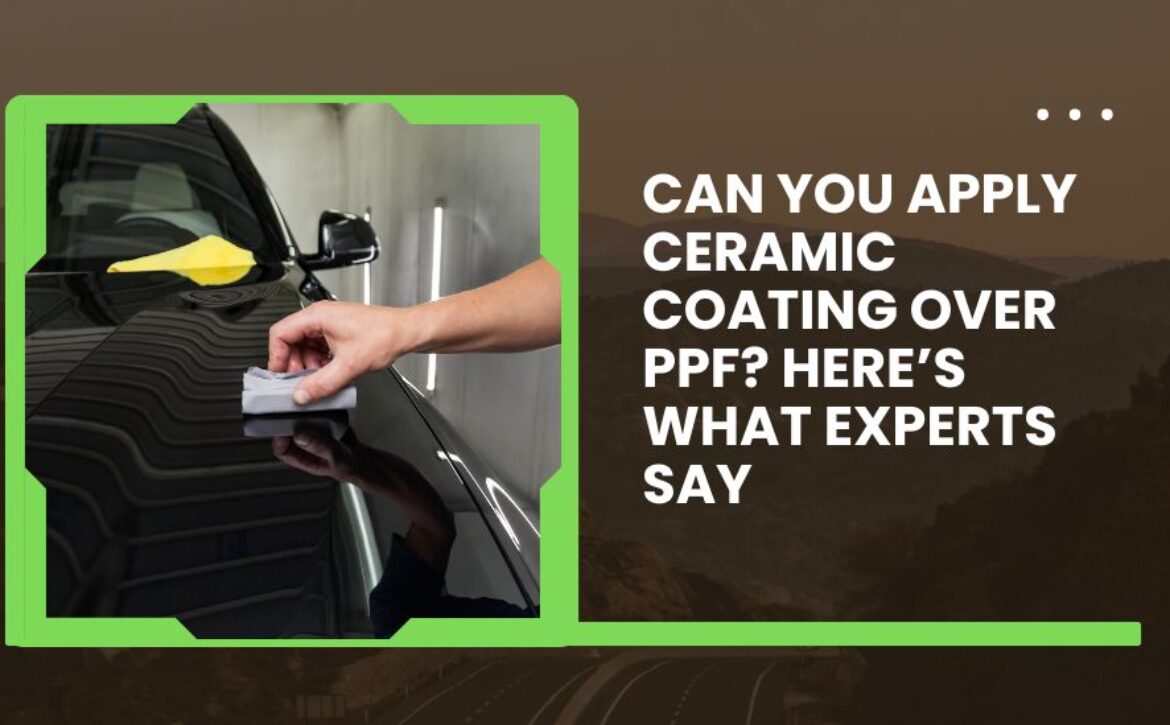
Can You Apply Ceramic Coating Over PPF? Here’s What Experts Say

 When it comes to protecting your vehicle’s paint, modern technology offers multiple options. Two of the most talked-about methods in car care today are Paint Protection Film (PPF) and ceramic coatings. But what happens when you use both? Can you apply ceramic coating over PPF? The short answer is yes and experts agree that doing so can significantly boost your vehicle’s appearance and longevity. Let’s break down how this works and what the experts have to say.

Understanding PPF and Ceramic Coating

Before diving into expert opinions, it’s important to understand what each of these protective solutions offers.

What is PPF?

Paint Protection Film is a clear, thermoplastic urethane film applied to painted surfaces of a vehicle. Its primary role is to guard against rock chips, scratches, swirl marks, and environmental contaminants. Modern PPF also includes self-healing properties, allowing minor scratches to disappear when exposed to heat.

What is Ceramic Coating?

Ceramic coating is a liquid polymer that chemically bonds with your car’s paint. It creates a hydrophobic surface that repels water, dirt, and other debris. The coating enhances gloss, reduces the need for frequent washes, and provides some UV protection.

Now the question arises: if both are great for protection, why combine them?

The Concept of Layering Car Protection

In the world of automotive detailing, professionals talk about layering car protection to achieve optimal results. Think of PPF as the shield and ceramic coating as the polish that keeps that shield clean and shiny. By using both, you’re not just protecting your vehicle—you’re extending the life and look of that protection.

This layered approach is similar to how you might wear both sunscreen and sunglasses on a sunny day. Each product serves its unique purpose, and together, they offer more comprehensive protection.

Can You Apply Ceramic Coating Over PPF?

According to industry experts and detailing professionals, not only can you apply ceramic coating over PPF, but doing so is often recommended. Here’s why:

  1. Enhanced Gloss and Shine
    PPF on its own offers a matte or glossy finish depending on the type. However, applying a ceramic coating on top intensifies the gloss, giving your vehicle a showroom-level finish that lasts.

  2. Improved Hydrophobic Properties
    While some high-end PPFs come with built-in hydrophobic capabilities, adding a ceramic coating significantly enhances this feature. This makes washing your vehicle easier and helps reduce water spotting and streaking.

  3. Additional UV and Chemical Protection
    Ceramic coatings act as an additional layer of armor against UV rays, acidic contaminants, bird droppings, and even bug splatter. This ensures your PPF lasts longer without discoloring or degrading.

  4. Extended Lifespan of PPF
    Although most quality PPFs can last 5–10 years, ceramic coating helps maintain their condition. This combination can extend the effective lifespan of the film and reduce maintenance needs over time.

  5. Easier Cleaning and Maintenance
    With ceramic coating on top of the PPF, your car becomes much easier to wash. Dirt, mud, and grime slide off effortlessly, reducing the need for abrasive scrubbing that could damage your paint over time.

What Experts Recommend Before Application

Despite all the benefits, applying a ceramic coating over PPF requires proper technique and conditions. Here’s what seasoned professionals advise:

  1. Use the Right Type of Coating
    Not all ceramic coatings are formulated to bond well with PPF. Look for coatings specifically designed or tested for compatibility with urethane films. This ensures proper bonding and longevity of the top layer.

  2. Professional Application is Ideal
    While DIY ceramic coating kits exist, applying them over PPF requires precision and skill. A certified detailer will ensure that the surface is properly prepared, the right product is chosen, and application is flawless.

  3. Maintain with Proper Products
    Once you’ve combined the two, maintaining your vehicle becomes easier—but not maintenance-free. Use pH-neutral car shampoos and avoid harsh chemicals that might break down the coating or PPF over time.

Are There Any Downsides?

While combining ceramic coating and PPF offers superior protection, there are a few considerations to keep in mind:

  • Cost: Applying both products can be expensive, especially if done professionally. However, many car owners find the long-term savings in reduced maintenance and paint correction to be well worth the investment.

  • Misleading Expectations: Some vehicle owners believe ceramic coating will make their car completely scratch-proof. This isn’t true. Ceramic coatings are scratch-resistant, not scratch-proof, and their main purpose is ease of cleaning and surface protection.

Real-World Results

Many car enthusiasts and detailing shops report excellent results from this dual-protection method. The consensus is clear: vehicles that have both PPF and ceramic coatings applied properly retain their value better, look newer for longer, and require less frequent detailing.

In fact, several high-end car dealerships now offer both as a combined package for new vehicles—proof that the auto industry itself recognizes the benefits.

Final Verdict

So, can you apply ceramic coating over PPF? Absolutely, and experts highly recommend it if you’re looking to enhance, protect, and extend the life of your vehicle’s paint. This dual-layered protection gives car owners the best of both worlds: impact resistance from PPF and gloss, hydrophobicity, and chemical defense from ceramic coating.

If you’re serious about preserving your vehicle’s exterior for years to come, consider consulting a professional detailer who specializes in both PPF and ceramic coating applications. When done right, this layered protection strategy can keep your car looking factory-fresh even in the harshest conditions.

The Ultimate Guide to Paint Protection Film (PPF): Maintenance, DIY Tips, and Durability

Introduction
Whether you’re an auto enthusiast or just want to protect your vehicle’s finish, Paint Protection Film (PPF) is a powerful way to keep your paint in pristine condition. This nearly invisible layer shields against rock chips, scratches, UV rays, and harsh weather. But what’s the best way to care for it? Can you apply it yourself? And how long does it really last?

In this all-in-one guide, you’ll discover how to maintain PPF, explore DIY installation options, and learn what impacts its long-term performance.

What Is Paint Protection Film?

PPF is a clear, thermoplastic urethane film applied to a vehicle’s painted surfaces. Originally developed for military use, it’s now a top-tier solution in automotive detailing due to its durability and self-healing technology.

PPF Protects Against:

  • Stone chips and road debris

  • Scratches and swirl marks

  • UV damage and oxidation

  • Bug splatter and chemical stains

Types of Paint Protection Film

Each type of PPF offers distinct features:

  • Clear Bra PPF – Glossy and traditional, preserves factory paint shine.

  • Matte PPF – Offers a sleek satin finish for a unique look.

  • Ceramic-Coated PPF – Combines hydrophobic properties with surface protection for easier maintenance.

How Long Does Paint Protection Film Last?

The lifespan of PPF depends on several factors:

What Affects Longevity:

  • Film Quality – Advanced materials tend to last longer and perform better.

  • Installation Quality – A professional, dust-free application ensures proper adhesion.

  • Climate – Vehicles exposed to extreme temperatures may see faster wear.

  • Maintenance Routine – Regular care significantly extends durability.

Signs It May Need Replacement:

  • Discoloration or yellowing

  • Edges starting to lift or peel

  • Loss of gloss or hydrophobicity

  • Visible damage that no longer self-heals

How to Clean Paint Protection Film

Maintaining your PPF is simple when done right. Regular cleaning keeps it clear and effective.

PPF Cleaning Instructions:

  1. Rinse First – Use a hose or low-pressure washer to remove loose dirt.

  2. Use Gentle Soap – Stick with pH-neutral car shampoos.

  3. Hand Wash Only – Use a microfiber mitt to avoid scratches.

  4. Rinse Again – Ensure all suds are washed away.

  5. Dry Softly – Use a clean microfiber towel to prevent water spots.

Avoid:

  • Abrasive pads or brushes

  • Ammonia-based cleaners

  • Regular wax (unless specifically PPF-safe)

Recommended Products:

  • Quick detailers designed for PPF

  • Dedicated PPF shampoos and sealants

  • Products labeled safe for clear film or matte finishes

Can You Apply PPF Yourself?

DIY installation is possible—but not without challenges.

Pros:

  • A sense of accomplishment

  • Good for small areas (headlights, mirrors, door edges)

  • Some kits include tools and instructions

Cons:

  • Requires patience and precision

  • Risk of bubbling, stretching, or dust contamination

  • Tricky for large or curved panels

DIY Best Practices:

  • Clean the surface with isopropyl alcohol

  • Use a spray slip solution (water + a drop of baby shampoo)

  • Apply slowly, squeegeeing from the center outward

  • Let it settle for at least 48 hours before washing

Professional vs DIY Installation

Aspect Professional DIY
Quality Flawless, consistent May show minor flaws
Application Time Quick and efficient Time-intensive
Warranty Often included Typically not offered
Best For Full-vehicle coverage Small sections or detailers

Tip: If you’re new to film installation, start small and build experience before attempting large areas.

Tips to Maximize PPF Durability

✅ Wash regularly (about every 2 weeks)
✅ Park in shaded or covered areas when possible
✅ Use sealants designed specifically for PPF
✅ Skip automatic car washes with brushes
✅ Address bird droppings or sap promptly

Conclusion

Paint Protection Film is a smart, modern way to keep your car’s paint looking flawless for years. Whether you’re curious about how to clean paint protection film, exploring DIY PPF application, or wondering how long PPF lasts, proper care is the secret to getting the most out of your investment.

By understanding your options and taking care of the film, you’ll preserve your vehicle’s finish and enjoy peace of mind—knowing your paint is protected from daily hazards.

FAQs

Q: Can you wax over PPF?
A: Only use products labeled safe for PPF or apply a specialized sealant. Avoid traditional waxes.

Q: Does PPF eliminate all scratches?
A: It prevents many minor scratches but won’t stop deep gouges.

Q: How often should PPF be cleaned?
A: Every 1–2 weeks is ideal, depending on your driving conditions and environment.

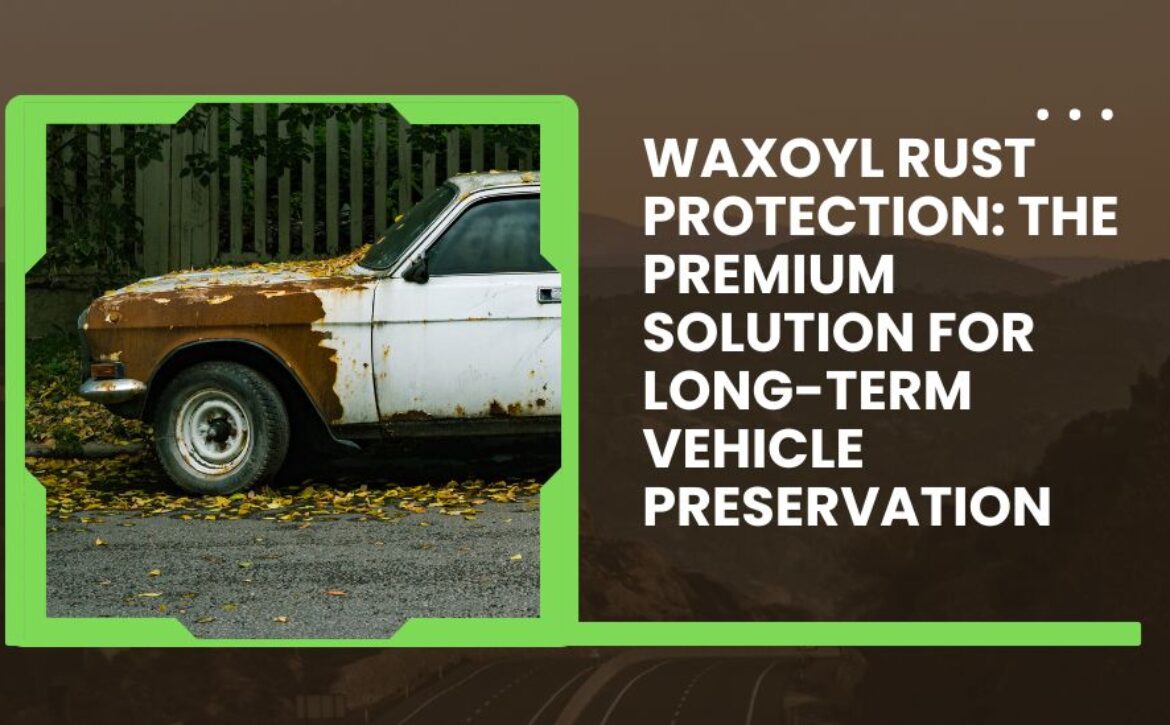
Waxoyl Rust Protection: The Premium Solution for Long-Term Vehicle Preservation

When it comes to defending your vehicle against the damaging effects of rust and corrosion, Waxoyl sets the gold standard. Developed in Switzerland and trusted worldwide, this professional-grade solution offers long-lasting protection for some of your car’s most vulnerable areas—including the undercarriage, chassis, and interior cavities. Whether you drive a brand-new car or a classic collectible, Waxoyl provides the armor your vehicle needs to resist rust for years to come.

What Is Waxoyl?

Waxoyl is a high-quality anti-corrosion treatment used by experts across the globe—from classic car restorers and off-roaders to fleet managers and auto manufacturers. Its advanced formula penetrates deep into metal surfaces, forming a robust, water-resistant shield that blocks moisture, salt, and grime—all common culprits behind rust.

Top Benefits of Choosing Waxoyl

  • Superior Rust Defense
    Shields key areas like suspension parts, wheel wells, and body panels from corrosion and oxidation.
  • Long-Term Durability
    One professional application can protect your vehicle for up to five years.
  • Eco-Friendly Formula
    Free from harsh chemicals and compliant with environmental safety standards.
  • Clean Finish
    Unlike traditional treatments, Waxoyl dries clear and won’t drip or stain your driveway.
  • Proven Results
    Used for over 60 years by elite automakers, military fleets, and restoration specialists.

Why Waxoyl Is the Smart Choice for Rust Protection

  1. Full Coverage—Even in Hard-to-Reach Areas
    Waxoyl doesn’t just coat the surface. It seeps into hidden spaces like door panels, rocker sections, and frame cavities—ensuring rust doesn’t start where you can’t see it.
  2. Engineered for Extreme Conditions
    From icy roads salted in winter to humid coastal environments, Waxoyl protects your vehicle from the harshest weather and terrain.
  3. Suitable for Every Vehicle Type
    Waxoyl is ideal for:
  • Brand-new cars needing rust prevention
  • Older or vintage models that require preservation
  • Off-road vehicles that endure mud, water, and rough use
  • Commercial fleets looking to reduce maintenance costs and prolong service life

How Is Waxoyl Applied?

Applying Waxoyl isn’t your typical DIY job—it’s a professional-grade treatment that requires expert tools and training. Here’s how it works:

  • Step 1: Cleaning & Prep
    The vehicle’s underbody and internal cavities are thoroughly cleaned to eliminate dirt, grease, and debris.
  • Step 2: Heat Activation
    Waxoyl is gently heated to improve flow and ensure deep penetration into metal surfaces.
  • Step 3: Cavity Fogging
    A fine mist is sprayed into enclosed areas to reach every nook and cranny.
  • Step 4: Underbody Coating
    The final step involves applying a strong, transparent layer to exposed metal parts underneath the car.

The end result? A discreet, durable barrier that protects without making a mess or altering your car’s appearance.

Frequently Asked Questions

Q: How long does Waxoyl last?
A: Typically up to 5 years, depending on climate and driving conditions.

Q: Can I apply Waxoyl at home?
A: While DIY kits exist, professional application is strongly recommended for complete and even coverage.

Q: Will it affect how my car looks?
A: No. Waxoyl dries completely clear and doesn’t leave behind any unsightly residue.

Final Thoughts

If you’re serious about extending your vehicle’s lifespan and maintaining its value, Waxoyl is a powerful investment. With a legacy of trust, cutting-edge formulation, and professional application process, it delivers peace of mind—mile after mile.

Ready to rustproof your ride? Choose Waxoyl and protect your vehicle from the inside out.

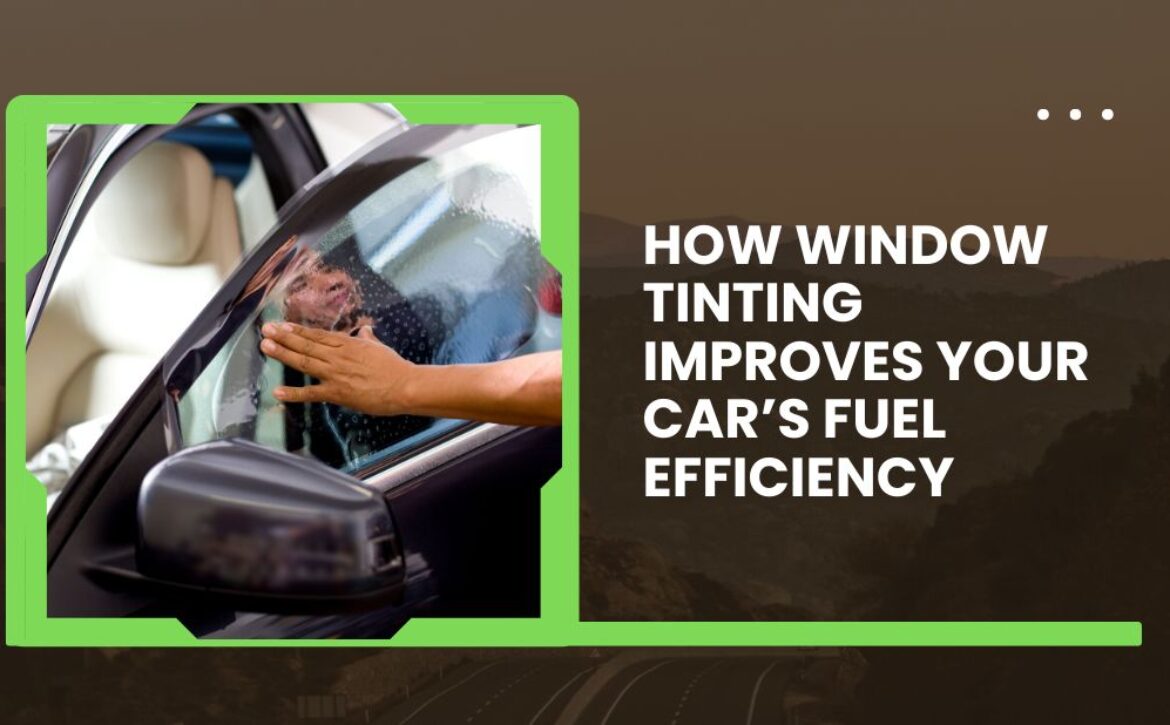
How Window Tinting Improves Your Car’s Fuel Efficiency

When most people think of window tinting, they envision it as a stylish upgrade or a way to gain a little extra privacy while driving. However, beyond aesthetics and comfort, window tinting plays a surprisingly important role in enhancing your vehicle’s overall efficiency—particularly fuel efficiency. If you’re seeking a cost-effective way to boost performance and minimize fuel consumption, window tinting might be the solution you’ve overlooked.

This article delves into how window tinting contributes to better fuel usage, the science behind heat control, and why it’s a smart investment for eco-conscious drivers.

The Hidden Connection Between Heat and Fuel Usage

In warmer climates or during summer months, car interiors can become unbearably hot. This not only makes driving uncomfortable but also pushes your vehicle’s air conditioning system to work overtime. Increased use of air conditioning directly affects the engine load, which in turn increases fuel consumption.

Every time your AC system kicks in to cool a sun-scorched cabin, the engine compensates for the additional energy required. Over time, this leads to frequent refueling, more emissions, and greater engine wear.

This is where window tinting steps in.

How Window Tinting Controls Interior Temperature

Window tinting is engineered to block a significant percentage of solar radiation, particularly infrared and ultraviolet rays that generate heat. By reducing the amount of sunlight penetrating your car windows, tints help maintain a cooler interior temperature without relying heavily on your air conditioner.

Window tint heat reduction technology has advanced significantly, with modern films capable of reflecting up to 60% of the sun’s heat. This means your vehicle doesn’t turn into a heat box when parked outside or driven under direct sunlight. Less heat means less reliance on your AC—resulting in lower fuel consumption.

Decreased AC Usage = Increased Fuel Efficiency

It’s simple math: the less you use your air conditioning, the less fuel your car consumes. In fact, studies show that running your AC can reduce fuel economy by up to 20% in some cases. By tinting your windows and reducing cabin temperature naturally, you’re reducing the need for mechanical cooling.

For city drivers who frequently deal with stop-and-go traffic, this efficiency becomes even more significant. Rather than having your AC blast at full power during every trip, tinted windows keep your car consistently cooler, allowing the AC to work less or not at all.

Protecting Your Vehicle’s HVAC System

Besides helping with fuel efficiency, reduced reliance on air conditioning has a long-term benefit: it extends the lifespan of your HVAC system. When your AC is constantly overworked to battle extreme cabin heat, it wears out faster, leading to costly repairs and more fuel usage due to inefficiency.

Window tinting relieves this pressure, ensuring that your cooling system runs optimally and lasts longer. This translates into fewer mechanical issues and better mileage, especially during summer or in hot regions.

Enhancing the Overall Driving Experience

Fuel savings aside, driving in a cooler car naturally makes the entire experience more pleasant. You won’t dread sitting in a scorching hot seat or gripping a blazing steering wheel. Tinted windows maintain a steady internal climate, keeping both you and your passengers comfortable. Comfortable drivers are less likely to drive aggressively, which also has a subtle but positive impact on fuel economy.

Moreover, because tinted windows reduce glare, your eyes experience less fatigue. This increases safety and keeps you focused on the road, reducing the likelihood of sudden braking or erratic driving, which can also hurt fuel efficiency.

Reduced Need for Idling

Another overlooked contributor to poor fuel economy is idling while waiting for your car to cool down. On particularly hot days, many drivers start their vehicles and let them idle with the AC running before even stepping inside. This common habit wastes fuel and contributes to carbon emissions.

With window tinting, your vehicle’s interior remains cooler even when parked. This reduces or eliminates the need for pre-cooling your cabin through idling. Over time, this small change can lead to noticeable fuel savings and a reduced environmental footprint.

Real-World Statistics and Case Studies

In practice, window tinting can save drivers up to several gallons of fuel annually, depending on driving habits and climate. In hotter regions like Arizona, Texas, or the UAE, drivers may see the biggest savings. While each case varies, users have reported a 3–5% improvement in fuel efficiency after installing high-quality heat-reducing tints.

One case study involving a fleet of delivery vehicles found that, after applying ceramic window tints, their fuel consumption dropped due to reduced AC usage and better temperature retention. This made a measurable impact on their bottom line and overall environmental performance.

Environmental Impact and Long-Term Benefits

Improving fuel efficiency isn’t just about saving money—it’s also about sustainability. Burning less fuel reduces greenhouse gas emissions, making tinted vehicles more eco-friendly. For companies managing vehicle fleets or environmentally conscious drivers, this makes window tinting not just a practical choice but a responsible one.

Additionally, since less fuel is used, fewer trips to the gas station are required. Over time, this not only saves money but reduces time spent on refueling, creating a more seamless driving routine.

Additional Fuel Economy Benefits

The fuel economy benefits of window tinting go beyond heat control. Some films also improve aerodynamics slightly by reducing turbulence around the windows, although this effect is marginal compared to the impact of reduced AC use. When combined with other energy-saving practices like tire inflation and proper engine maintenance, tinting can be part of a holistic approach to better mileage.

Tinting also protects your car’s interior from sun damage, reducing the need for frequent repairs or replacements of faded upholstery and cracked dashboards—saving both money and the energy associated with manufacturing and shipping replacement parts.

Final Thoughts: A Simple Upgrade with Lasting Impact

In summary, window tinting is a highly underrated yet powerful tool for improving vehicle fuel efficiency. From minimizing interior heat and reducing AC dependency to protecting your HVAC system and enhancing overall comfort, the benefits are comprehensive and long-term.

For drivers seeking smarter, greener, and more cost-effective solutions, window tinting is an investment that pays off in more ways than one. And in today’s world of rising fuel prices and climate awareness, every small improvement makes a big difference.

Can You Apply Ceramic Coating Over PPF? Here’s What Experts Say

When it comes to protecting your vehicle’s paint, modern technology offers multiple options. Two of the most talked-about methods in car care today are Paint Protection Film (PPF) and ceramic coatings. But what happens when you use both? Can you apply ceramic coating over PPF? The short answer is yes—and experts agree that doing so can significantly boost your vehicle’s appearance and longevity. Let’s break down how this works and what the experts have to say.

Understanding PPF and Ceramic Coating

Before diving into expert opinions, it’s important to understand what each of these protective solutions offers.

What is PPF?

Paint Protection Film is a clear, thermoplastic urethane film applied to painted surfaces of a vehicle. Its primary role is to guard against rock chips, scratches, swirl marks, and environmental contaminants. Modern PPF also includes self-healing properties, allowing minor scratches to disappear when exposed to heat.

What is Ceramic Coating?

Ceramic coating is a liquid polymer that chemically bonds with your car’s paint. It creates a hydrophobic surface that repels water, dirt, and other debris. The coating enhances gloss, reduces the need for frequent washes, and provides some UV protection.

Now the question arises: if both are great for protection, why combine them?

The Concept of Layering Car Protection

In the world of automotive detailing, professionals talk about layering car protection to achieve optimal results. Think of PPF as the shield and ceramic coating as the polish that keeps that shield clean and shiny. By using both, you’re not just protecting your vehicle—you’re extending the life and look of that protection.

This layered approach is similar to how you might wear both sunscreen and sunglasses on a sunny day. Each product serves its unique purpose, and together, they offer more comprehensive protection.

Can You Apply Ceramic Coating Over PPF?

According to industry experts and detailing professionals, not only can you apply ceramic coating over PPF, but doing so is often recommended. Here’s why:

1. Enhanced Gloss and Shine

PPF on its own offers a matte or glossy finish depending on the type. However, applying a ceramic coating on top intensifies the gloss, giving your vehicle a showroom-level finish that lasts.

2. Improved Hydrophobic Properties

While some high-end PPFs come with built-in hydrophobic capabilities, adding a ceramic coating significantly enhances this feature. This makes washing your vehicle easier and helps reduce water spotting and streaking.

3. Additional UV and Chemical Protection

Ceramic coatings act as an additional layer of armor against UV rays, acidic contaminants, bird droppings, and even bug splatter. This ensures your PPF lasts longer without discoloring or degrading.

4. Extended Lifespan of PPF

Although most quality PPFs can last 5–10 years, ceramic coating helps maintain their condition. This combination can extend the effective lifespan of the film and reduce maintenance needs over time.

5. Easier Cleaning and Maintenance

With ceramic coating on top of the PPF, your car becomes much easier to wash. Dirt, mud, and grime slide off effortlessly, reducing the need for abrasive scrubbing that could damage your paint over time.

What Experts Recommend Before Application

Despite all the benefits, applying a ceramic coating over PPF requires proper technique and conditions. Here’s what seasoned professionals advise:

1. Wait After PPF Installation

It’s crucial to wait at least 7 days after PPF installation before applying a ceramic coating. This allows any residual moisture or air pockets under the film to settle and prevents adhesion issues with the ceramic layer.

2. Use the Right Type of Coating

Not all ceramic coatings are formulated to bond well with PPF. Look for coatings specifically designed or tested for compatibility with urethane films. This ensures proper bonding and longevity of the top layer.

3. Professional Application is Ideal

While DIY ceramic coating kits exist, applying them over PPF requires precision and skill. A certified detailer will ensure that the surface is properly prepared, the right product is chosen, and application is flawless.

4. Maintain with Proper Products

Once you’ve combined the two, maintaining your vehicle becomes easier—but not maintenance-free. Use pH-neutral car shampoos and avoid harsh chemicals that might break down the coating or PPF over time.

Are There Any Downsides?

While combining ceramic coating and PPF offers superior protection, there are a few considerations to keep in mind:

  • Cost: Applying both products can be expensive, especially if done professionally. However, many car owners find the long-term savings in reduced maintenance and paint correction to be well worth the investment. 
  • Misleading Expectations: Some vehicle owners believe ceramic coating will make their car completely scratch-proof. This isn’t true. Ceramic coatings are scratch-resistant, not scratch-proof, and their main purpose is ease of cleaning and surface protection. 

Real-World Results

Many car enthusiasts and detailing shops report excellent results from this dual-protection method. The consensus is clear: vehicles that have both PPF and ceramic coatings applied properly retain their value better, look newer for longer, and require less frequent detailing.

In fact, several high-end car dealerships now offer both as a combined package for new vehicles—proof that the auto industry itself recognizes the benefits.

Final Verdict

So, can you apply ceramic coating over PPF? Absolutely, and experts highly recommend it if you’re looking to enhance, protect, and extend the life of your vehicle’s paint. This dual-layered protection gives car owners the best of both worlds: impact resistance from PPF and gloss, hydrophobicity, and chemical defense from ceramic coating.

If you’re serious about preserving your vehicle’s exterior for years to come, consider consulting a professional detailer who specializes in both PPF and ceramic coating applications. When done right, this layered protection strategy can keep your car looking factory-fresh even in the harshest conditions.


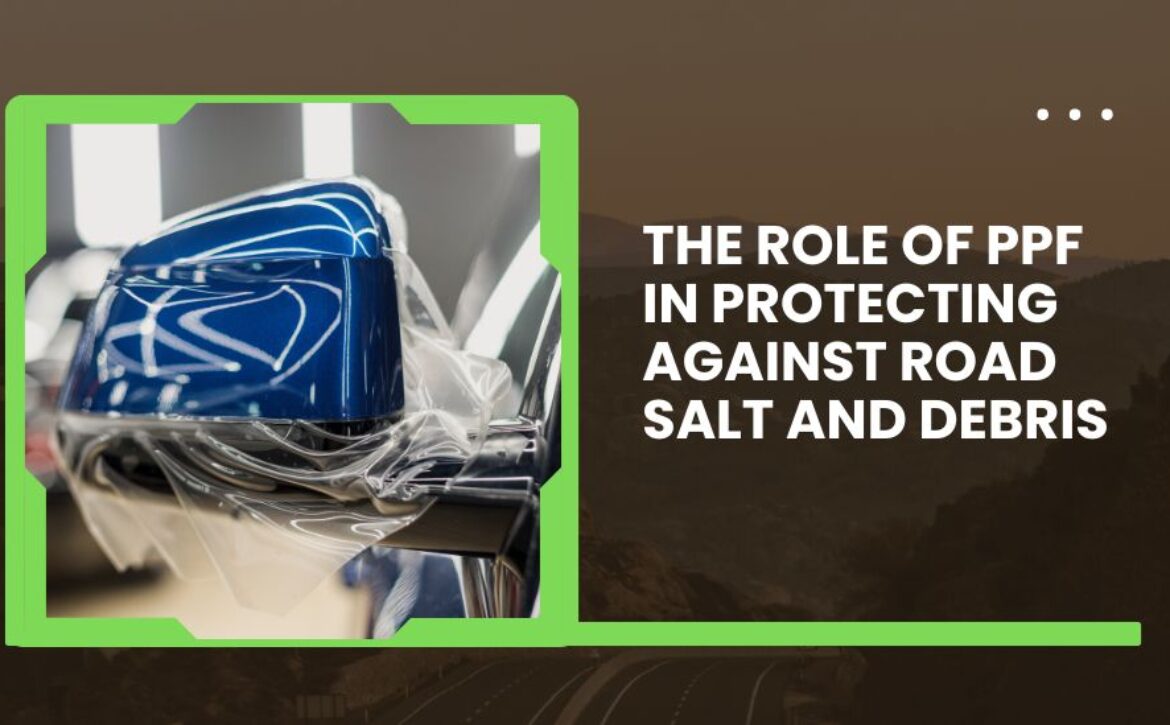
The Role of PPF in Protecting Against Road Salt and Debris

Paint Protection Film (PPF) has become an essential investment for vehicle owners who are serious about preserving the look and value of their cars. While most car owners associate PPF with protection against rock chips and scratches, its role goes far beyond cosmetic defense. In regions where harsh winters and rugged roads are common, PPF serves as a powerful shield against road salt, sand, and debris—elements known for causing significant wear and corrosion. Let’s explore how PPF provides superior protection and why it’s particularly beneficial for cold climates and rough driving conditions.

What is PPF?

PPF, also known as clear bra, is a transparent thermoplastic urethane film applied to the exterior surfaces of a vehicle. It is specifically designed to absorb impacts and resist abrasion. Once professionally installed, PPF becomes virtually invisible, offering long-term protection without altering the appearance of the vehicle.

Its self-healing properties allow minor scratches and swirl marks to disappear with heat exposure. This makes PPF not just a barrier but a smart, durable solution for drivers who want to keep their vehicles in pristine condition.

Why Road Salt and Debris Are Harmful

Road salt is commonly used during winter months to melt ice and improve traction. While effective for road safety, it poses a significant threat to your vehicle’s bodywork. Salt accelerates the oxidation process, leading to rust and corrosion—particularly on the undercarriage, wheel wells, and lower body panels.

Debris such as sand, gravel, and loose stones can also be found on roads year-round. These particles are kicked up by tires and can strike the paintwork at high speed, causing paint chips and scratches that not only ruin aesthetics but can also open the door to further damage.

The combination of salt and debris creates a harsh environment that gradually eats away at a vehicle’s paint and clear coat, making protection not just optional but necessary.

How PPF Works as a Defensive Layer

PPF acts as a sacrificial layer between your vehicle’s paint and the outside world. When salt or debris comes into contact with your car, it hits the film first. The material absorbs the impact and resists chemical reactions, thereby protecting the original paint underneath.

In colder climates, where frequent road salting is inevitable, this protection is invaluable. Drivers who have experienced damage caused by accumulated grime know how quickly unprotected paint can deteriorate.

Applying PPF ensures that your car remains unaffected by these destructive forces. Not only does it prevent direct contact with contaminants, but it also reduces the cleaning effort required after winter drives.

Long-Term Cost Savings

Rust repairs and paint correction services are expensive, often costing hundreds or thousands of dollars. In contrast, installing PPF may seem like a higher upfront cost but offers tremendous long-term savings by eliminating or significantly delaying the need for bodywork.

A well-maintained paint job also preserves resale value. Potential buyers are more inclined to purchase vehicles with original, undamaged paint. Thus, PPF is not merely a cosmetic product—it’s an investment in the longevity and value of your car.

Ideal Application Areas for Maximum Protection

Although full-body coverage is available, many car owners opt to install PPF on high-impact zones where salt and debris hit the hardest:

  • Front bumper – A primary target for road spray and flying debris. 
  • Hood and fenders – Vulnerable to rock chips and salt spray. 
  • Side mirrors and door edges – Prone to scratches and dings from passing vehicles or narrow roads. 
  • Lower rocker panels – Most exposed to road salt and sand kicked up by tires. 
  • Wheel arches – Common spots for rust accumulation due to salt buildup. 

Targeted PPF application on these areas ensures you’re getting the best protection where it’s most needed.

Seasonal Protection: Winter Benefits

Winter brings the highest risk of vehicle damage due to increased use of salt and abrasive traction agents. This is where PPF winter protection becomes especially crucial. The film helps in preventing salt from bonding to the paint surface, which not only reduces the likelihood of corrosion but also simplifies washing and maintenance during colder months.

Moreover, since PPF is hydrophobic, it repels water and makes it difficult for contaminants to stick. This feature is particularly useful when driving through slushy or dirty snow, minimizing the need for constant cleaning.

Debunking Myths About PPF in Cold Weather

Some drivers question whether PPF performs well in extreme temperatures. Modern high-quality PPF is engineered to withstand temperature fluctuations and environmental stress. It remains flexible and adheres well even in freezing conditions, maintaining its effectiveness throughout the season.

It’s also UV-resistant, meaning it won’t discolor or degrade over time, even with snow reflection intensifying sunlight exposure during the winter.

Installation and Maintenance Tips

To maximize the benefits of PPF, it’s essential to have it professionally installed. Surface preparation, alignment, and technique play vital roles in how well the film adheres and performs. A poorly installed film may peel or bubble, reducing its protective capabilities.

Post-installation, the film requires minimal maintenance. Wash your car with a PPF-safe shampoo, avoid abrasive brushes, and consider using a ceramic coating over the PPF for added gloss and hydrophobic performance.

Who Should Consider PPF?

If you:

  • Live in regions with snowy winters or gravel roads 
  • Frequently drive on highways or construction zones 
  • Want to maintain the factory look of your car 
  • Are concerned about long-term vehicle resale value 
  • Prefer low-maintenance paint protection 

Then PPF is highly recommended. It offers comprehensive, passive protection that works 24/7 without any need for reapplication or monitoring.

Final Thoughts

In today’s driving conditions, protecting your vehicle goes beyond just regular washing and waxing. The environment presents constant threats in the form of salt, sand, and debris, especially in colder regions. This is where PPF road damage prevention becomes a smart and essential solution.

By investing in PPF winter protection, you ensure your car remains shielded against the elements that cause corrosion, discoloration, and paint damage. With rising vehicle maintenance costs and an increasing desire to preserve the value of your asset, Paint Protection Film delivers peace of mind and lasting results.

How Paint Protection Film Preserves Your Car’s Resale Value

When you buy a car, it’s more than just a method of transportation—it’s an investment. Whether you’re driving a brand-new luxury vehicle or a mid-range sedan, preserving the appearance and condition of your car is crucial. One of the most effective ways to do this is by applying Paint Protection Film (PPF). This invisible shield not only keeps your car looking like new but also plays a significant role in maintaining or even increasing your vehicle’s resale value over time.

What Is Paint Protection Film (PPF)?

Paint Protection Film is a clear, durable urethane material that’s applied to the exterior of your car. It acts as a barrier against road debris, rock chips, bug splatter, minor abrasions, and environmental contaminants like bird droppings and tree sap. PPF is designed to absorb these elements before they can reach the factory paint beneath, ensuring your vehicle retains its showroom shine for years.

The film is virtually invisible and can be applied to high-impact areas like the front bumper, hood, fenders, side mirrors, and door edges—or even across the entire vehicle for full-body protection.

Why Paint Condition Matters for Resale Value

When it’s time to sell or trade in your car, first impressions matter. Potential buyers or dealerships will closely inspect the vehicle’s exterior for any signs of damage, fading, or wear. A car with a well-maintained paint job instantly looks newer and more appealing.

On the other hand, a vehicle covered in scratches, swirl marks, or oxidized paint may be seen as neglected—even if it has low mileage and a clean mechanical record. That’s where Paint Protection Film makes a noticeable difference. It preserves the integrity of your vehicle’s exterior, minimizing blemishes that could reduce perceived value.

The Role of PPF in Boosting Resale Appeal

Applying PPF is one of the smartest decisions you can make to safeguard your car protection investment. Here’s how:

1. Prevents Paint Damage

Even careful drivers are not immune to chips and scratches caused by road debris. Over time, these minor blemishes accumulate, giving the car a worn appearance. PPF creates a tough shield that absorbs impact, protecting the paint beneath. This keeps the car’s exterior in pristine condition, which is critical when it comes time to sell.

2. Guards Against Environmental Hazards

Your car is exposed daily to harsh UV rays, acid rain, bird droppings, and insect residue. These elements can eat away at the paint and cause discoloration or etching. PPF is UV-resistant and chemically stable, meaning it shields your car from these natural threats and keeps the paint vibrant and glossy for longer.

3. Self-Healing Properties

Many high-quality PPFs are equipped with self-healing technology. This means that minor scratches or swirl marks in the film disappear with heat—either from the sun or warm water. This constantly renews the surface, ensuring the car always looks polished and well-maintained without the need for constant polishing or repainting.

4. Reduces the Need for Paint Repairs

Repainting sections of your car can be costly and, in some cases, might not match the original factory finish perfectly. With Paint Protection Film, you can avoid these expenses entirely. The film keeps the factory paint untouched and original, which is a significant selling point for many buyers.

Real Value: The Impact on Resale

While PPF does require an upfront cost, it’s important to think of it as a car protection investment rather than an expense. Buyers are often willing to pay more for a used car that’s been well-protected and maintained. A car with PPF typically presents fewer cosmetic issues, making it more attractive in a competitive resale market.

Moreover, dealerships also recognize the benefits of PPF. During trade-in evaluations, cars with minimal cosmetic damage often receive better appraisals. This directly ties into the PPF resale value benefit—where the protective film helps retain more of your vehicle’s original worth.

Customization and Versatility

One advantage of PPF is its versatility. You can choose to protect only the most vulnerable areas or cover the entire car. Some PPFs also come with a glossy or matte finish, allowing you to customize the appearance while still reaping the protective benefits.

This customization can further enhance your car’s appeal to niche buyers who are looking for specific visual styles. In a resale scenario, even such minor details can make a major difference in buyer decision-making.

Long-Term Savings and ROI

Investing in PPF can also reduce your long-term maintenance costs. You’ll need fewer paint corrections, less frequent detailing, and fewer exterior touch-ups over the life of the vehicle. These savings add up and reinforce the value of the initial investment in protective film.

When it’s time to sell or trade in, this protection pays off—not just in appearance, but in hard cash. A well-maintained vehicle is easier to sell, and typically faster, than one that shows signs of wear. It might also give you leverage to negotiate a higher price from buyers who appreciate the added layer of protection.

Choosing the Right Installer

To get the full benefits of PPF, proper installation is key. Make sure to work with certified professionals who use high-quality films and offer warranty-backed services. Poor application can lead to bubbling, lifting edges, or discoloration, which can negatively impact your car’s appearance and undermine the resale benefits.

Ask for examples of previous work and ensure the installer follows best practices in surface preparation and film handling. A clean, dust-free environment and experienced technicians make all the difference in the outcome.

Final Thoughts

In an era where every detail counts toward resale potential, Paint Protection Film offers a powerful advantage. By preserving the condition of your car’s paintwork, it helps maintain your vehicle’s value and market appeal. Whether you plan to keep your car for a few years or more than a decade, the protection and peace of mind offered by PPF are well worth the cost.

Think of it this way—protecting your car today ensures a better return tomorrow. In that sense, PPF resale value is not just a concept; it’s a proven benefit backed by visual appeal, reduced maintenance, and stronger buyer interest.

If you’re serious about making a smart car protection investment, don’t overlook the power of Paint Protection Film. It’s one of the few add-ons that truly pays off when it’s time to say goodbye to your beloved ride.

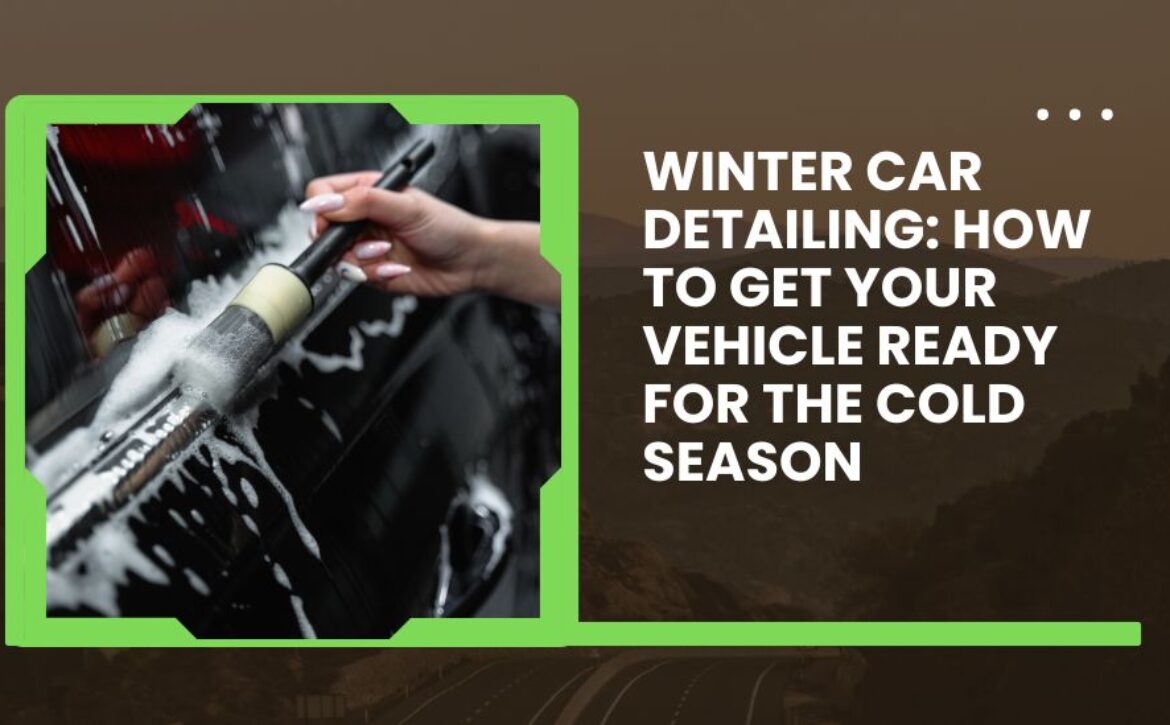
Winter Car Detailing: How to Get Your Vehicle Ready for the Cold Season

Introduction

As the temperature begins to dip, it’s time to go beyond switching to winter tires or checking your antifreeze levels. One crucial but often overlooked step in seasonal car care is winter detailing. Prepping your car before the cold really sets in can protect it from road salt, slush, and grime—helping it withstand winter’s harshest conditions while still looking its best.

This guide walks you through practical and protective steps to ensure your car is winter-ready, both inside and out.

Why Cold Weather Detailing Is Important

Winter driving exposes your car to a barrage of challenges—moisture, freezing temperatures, corrosive salt, and muddy conditions. Left unchecked, these can eat away at your car’s finish, dull its shine, and affect functionality.

Detailing ahead of winter acts like armor for your vehicle. From maintaining clear visibility to preserving paint and wheel integrity, it’s a preventive measure that pays off in long-term performance and appearance.

Step 1: Start with a Thorough Wash

Before winter takes over, give your vehicle a full-body clean. Go beyond a quick rinse—use decontamination techniques like iron removers and tar removers to strip away stuck-on grime, bugs, sap, and other contaminants. This helps ensure nothing harmful gets sealed in during the months ahead.

Be sure to spray down the undercarriage thoroughly—road salt and debris tend to accumulate in hidden corners and can lead to corrosion if left untouched.

Step 2: Seal and Protect the Paintwork

After your car is squeaky clean, apply a durable protective layer. A synthetic paint sealant or long-lasting wax provides a slick surface that resists snow, road spray, and salt.

For even greater protection, consider applying a ceramic coating—a more resilient solution that can stand up to harsh chemicals and fluctuating temperatures.

Step 3: Don’t Overlook the Wheels and Tires

Wheels get hit hard in the winter months, facing everything from road salt to melting slush. Clean each wheel thoroughly using a pH-safe wheel cleaner and soft brushes. Apply a wheel sealant to make future cleanings easier and to create a barrier against corrosion.

On the tires, use a rubber-safe cleaner and follow up with a conditioner to keep the sidewalls supple and crack-free during freezing temperatures.

Step 4: Undercarriage Protection

The underside of your vehicle often suffers the most during winter. Apply a rust inhibitor or underbody sealant to help defend the exhaust system, suspension parts, and frame from salt and moisture-related damage.

This added protection can greatly extend the life of your vehicle’s undercarriage components.

Step 5: Interior Winter Prep

Snowy boots, salty slush, and muddy footprints can take a toll on your car’s interior. Vacuum thoroughly, then apply protective sprays to fabric seats or leather conditioners to upholstery.

Install rubber or all-weather mats to trap moisture and debris. These mats are much easier to clean and keep your interior from soaking up winter mess.

Also, give your dashboard, trim, and steering wheel a wipe-down with a UV-safe cleaner and protectant to keep them from drying out due to heated cabin air.

Step 6: Get the Glass and Mirrors Winter-Ready

Clean windows and mirrors aren’t just about looks—they’re essential for safe driving in foggy, wet, and icy conditions. Use a dedicated glass cleaner, then treat all external glass with a water-repelling solution. These treatments help rain, snow, and ice slide off more easily, improving visibility.

Don’t forget to check and upgrade your wiper blades and ensure your washer fluid is formulated for freezing temperatures.

Step 7: Refresh the Engine Bay

Grime and debris under the hood can build up over time, especially during winter driving. Carefully clean the engine bay using a degreaser and soft brushes. Avoid aggressive rinsing—stick with a gentle spray. Once dry, apply a rubber and plastic conditioner to hoses and covers to keep them from becoming brittle.

Step 8: Prepare an Emergency Kit

A freshly detailed car still needs to be ready for winter surprises. Keep an emergency kit in your trunk stocked with essentials like:

  • A snow brush and ice scraper 
  • Jumper cables 
  • A thermal blanket 
  • Portable shovel 
  • Road salt or traction aids 
  • Flashlight and extra batteries 

Being clean is great—being prepared is better.

Step 9: Mid-Winter Maintenance

Detailing once in the season isn’t enough. Try to schedule a light maintenance session every few weeks. Even a basic rinse will help remove buildup from salt and grime. Consider applying a quick layer of spray sealant or ceramic booster to extend your protective layers.

Keeping up with minor touch-ups can preserve your car’s condition well into spring.

Conclusion

Winter detailing isn’t just about making your vehicle shine—it’s about shielding it from some of the toughest environmental stressors of the year. With careful preparation and attention to key areas like paint, wheels, interior, and undercarriage, your car will stay protected, functional, and great-looking even in freezing conditions.

Whether you do it yourself or take your car to a professional, committing to winter detailing is one of the smartest steps you can take to protect your investment and drive confidently through the season.

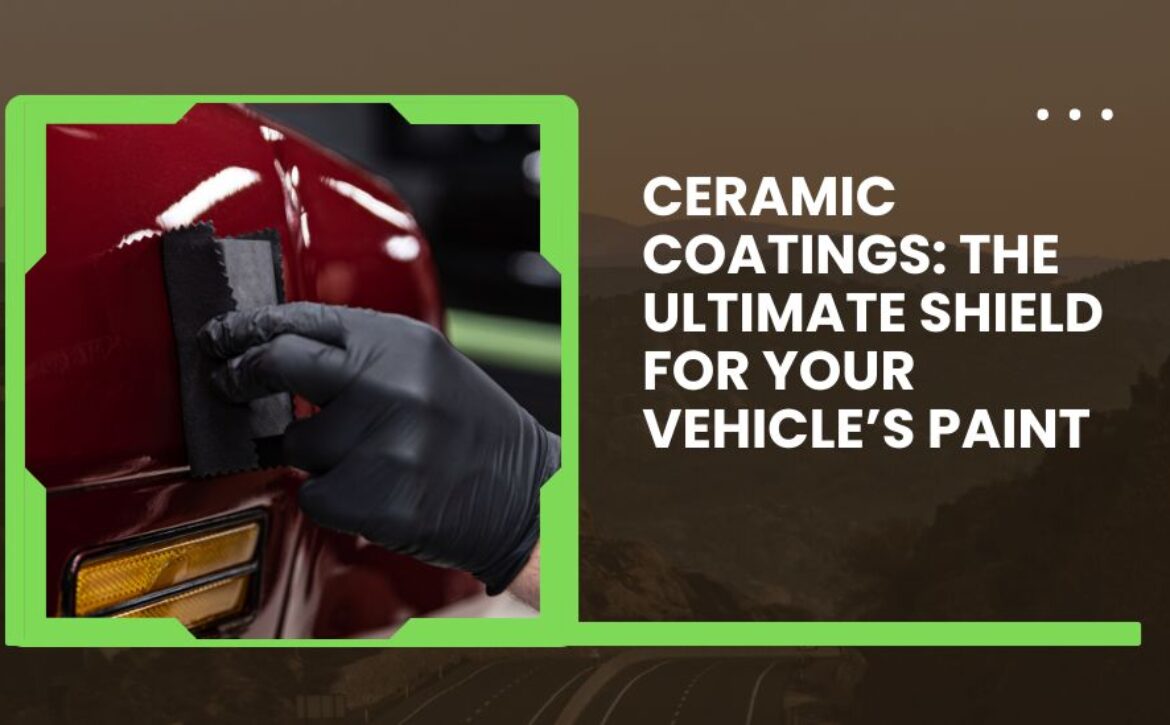
Ceramic Coatings: The Ultimate Shield for Your Vehicle’s Paint

Introduction

Ceramic coatings have changed the game when it comes to protecting automotive paint. With superior durability, enhanced gloss, and powerful resistance to contaminants, they offer a level of protection far beyond what traditional waxes and sealants can deliver.
Whether you’re a car enthusiast or simply want to preserve your vehicle’s appearance, this comprehensive guide breaks down everything you need to know about ceramic coatings—from how they work to how long they last.

What Is a Ceramic Coating?

Ceramic coating is a liquid polymer that chemically bonds to a vehicle’s factory paint, forming a long-lasting protective layer. Unlike waxes or sealants that sit on top of the paint and gradually wear away, ceramic coatings integrate with the clear coat to provide a stronger, more permanent defense.

Main Ingredients:

  • Silicon Dioxide (SiO₂): Forms a tough, hydrophobic layer that repels water and contaminants. 
  • Titanium Dioxide (TiO₂): Adds UV protection and increases hardness. 
  • Resins & Solvents: Help the coating cure properly and adhere to the surface. 

How Long Do Ceramic Coatings Last?

One of the most common questions: how long does a ceramic coating last? The answer depends on several key factors:

Lifespan Estimates:

Type of Coating Expected Longevity
Consumer-Grade (DIY) 1–2 years
Professional-Grade 2–5 years
Advanced/High-End 5+ years

Factors That Influence Durability:

  • Paint Preparation: The cleaner and smoother the surface, the better the bond. 
  • Application Conditions: Low humidity, stable temperatures, and dust-free environments ensure proper curing. 
  • Ongoing Maintenance: Routine care extends performance significantly. 

Why Choose Ceramic Coating?

1️⃣ Superior Protection

  • Hydrophobic Surface: Water beads and slides off, reducing water spots and dirt buildup. 
  • UV Resistance: Prevents fading and oxidation from sun exposure. 
  • Chemical Resistance: Guards against acidic contaminants like bird droppings and sap. 

2️⃣ Enhanced Aesthetic Appeal

  • Deep Gloss: Delivers a rich, high-gloss finish that amplifies your paint color. 
  • Smooth Surface: Makes washing easier and prevents grime from sticking. 

3️⃣ Long-Term Value

Ceramic Coating vs Wax vs Sealant

How does ceramic coating stack up against other common protectants?

Feature Ceramic Coating Car Wax Synthetic Sealant
Durability 1–5+ years 4–8 weeks 3–6 months
Protection Level Excellent Basic Moderate
Hydrophobic Effect Very High Low High
Scratch Resistance High Low Moderate
Maintenance Low High Medium


How to Apply Ceramic Coating

Proper preparation is critical for long-term performance. Follow these steps for optimal application:

Step 1: Wash & Decontaminate

  • Use a foam wash followed by iron remover and a clay bar treatment. 

Step 2: Paint Correction (If Needed)

  • Polish the surface to remove any swirl marks or imperfections. 

Step 3: Surface Prep

  • Use an isopropyl alcohol (IPA) wipe to eliminate any remaining oils. 

Step 4: Application

  • Apply the coating in small sections using an applicator. 
  • Level the product with a microfiber towel as it begins to flash. 

Step 5: Curing

  • Allow the coating to fully cure in a controlled, dust-free environment for 24–48 hours. 

Maintaining a Ceramic Coating

Routine care keeps your coating performing like new:

✔ Use pH-neutral car shampoos
✔ Avoid automated car washes with abrasive brushes
✔ Dry with clean microfiber towels
✔ Apply ceramic boost sprays as needed for added slickness
✔ Park in shaded areas to limit UV exposure

Common Ceramic Coating Myths

Myth: Ceramic coatings make your car scratch-proof.
Reality: They resist minor scratches but won’t prevent deeper damage.

Myth: You never need to wash your car again.
Reality: Regular washing is still required to maintain performance.

Myth: All ceramic coatings are the same.
Reality: Quality and durability vary greatly between products.

Final Thoughts

Ceramic coatings offer one of the most advanced forms of paint protection available today. While proper prep and maintenance play a huge role in longevity, a well-applied, professional-grade ceramic coating can keep your vehicle looking like new for years.
If your goal is to reduce maintenance, extend protection, and maintain a stunning finish, ceramic coating is a smart investment that delivers real, long-lasting benefits.