
Why Choose Our Ceramic Coating Services?

At Premier Vehicle Films, we are committed to enhancing and protecting your vehicle’s appearance with our specialized ceramic coating services. Located in the vibrant city of Queen Creek, AZ, we provide a comprehensive solution that ensures your vehicle remains pristine and shielded from environmental harm.

Here’s why our ceramic coating is considered top-notch:

Expert Installation and Durability:

Our technicians are highly trained and experienced in the application of ceramic coatings. We use industry-leading techniques to ensure that the coating bonds perfectly with your vehicle’s paint, providing unbeatable durability.

Glossy, Long-Lasting Finish

One of the primary benefits of our ceramic coating is the brilliant shine it lends to your vehicle’s surface. The coating’s glossy finish not only enhances its aesthetic appeal but also provides long-lasting protection.

Environmental Shield

The ceramic coating acts as a barrier against UV rays, dirt, bird droppings, and various other elements that can damage your vehicle’s exterior. This protective layer helps keep your vehicle looking new for longer.

Queen_Creek-Queen_Creek_Town_Hal
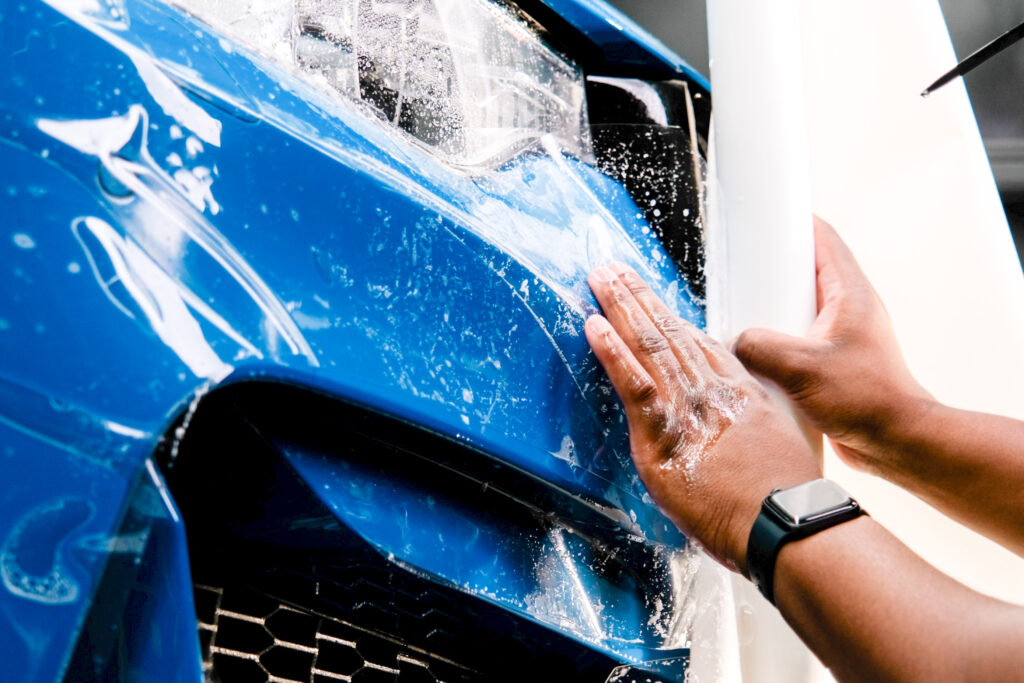
Car PPF Installation

By choosing Premier Vehicle Films for your ceramic coating needs, you’ll benefit from our commitment to quality and customer satisfaction. Our competitive edge lies in our meticulous attention to detail and the use of only the best materials.

The Benefits of Our Ceramic Coating Services

Our ceramic coating not only enhances your vehicle’s appearance but also provides numerous benefits, including:

Paint Protection Film

Enhanced Visual Appeal

The slick, glossy finish achieved with our ceramic coating gives your car a showroom-like appearance. Your vehicle will shine with enhanced color depth and clarity.

Paint Protection Film

Maintenance Simplicity

The hydrophobic properties of the ceramic coating make cleaning your vehicle a breeze. Dirt, grime, and water beads off easily, reducing the time and effort needed for washing.

Ceramic Coating

Increased Resale Value

A vehicle with a well-maintained exterior often commands a higher resale price. Our ceramic coating helps preserve your vehicle’s finish, ensuring it looks great even after years of use.

Maintenance Tips for Your Ceramic Coated Vehicle

To maximize the benefits and longevity of your ceramic coating, follow these maintenance tips:

Regular Washing:

Maintain the cleanliness of the ceramic-coated surfaces by washing your vehicle regularly. Use a pH-neutral car shampoo and avoid abrasive cloths that may scratch the coating.

Do not use any cleaning agents that are not meant for coated vehicles as they can break down the coating. Stick to products specifically designed for automotive surfaces.

Inspect and Treat:

Periodically inspect your vehicle’s coating for signs of wear or damage. Scheduling routine maintenance treatments can help maintain the protective qualities of the coating.

Taking these steps ensures that your investment in ceramic coating gives your vehicle long-lasting beauty and protection.

Not located in Queen Creek? No worries, our San Tan Valley, Mesa, and Gilbert locations are ready to offer the same outstanding services!

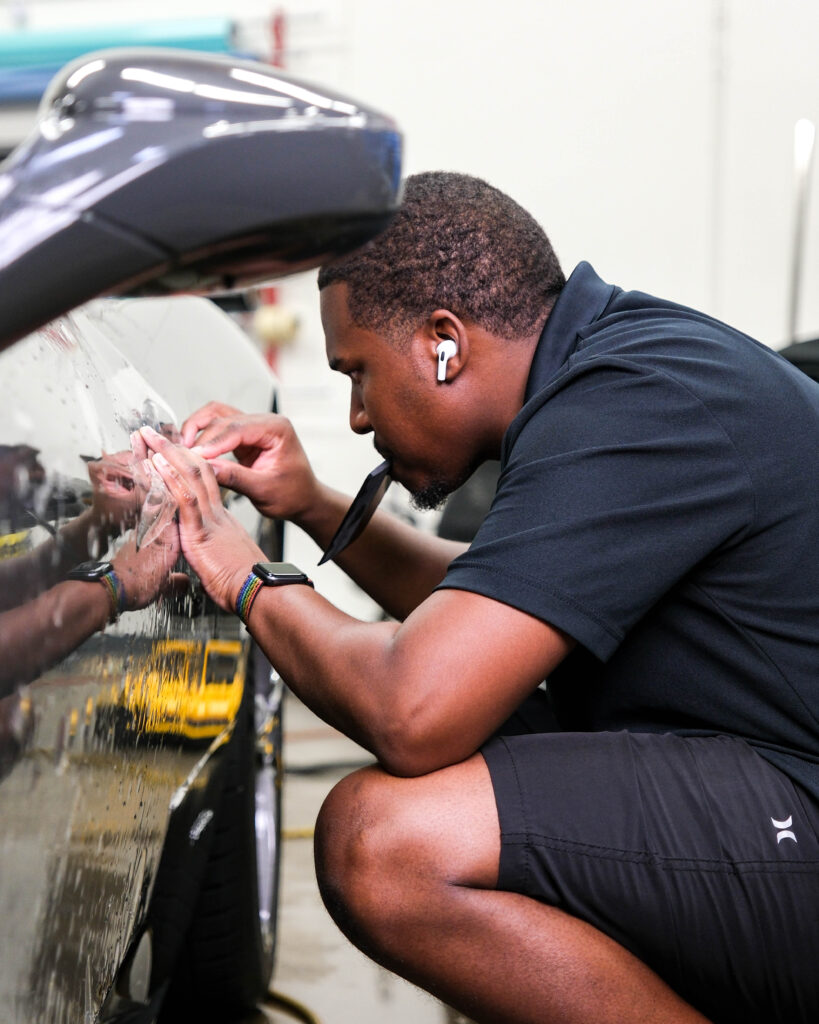
Expert PPF installation
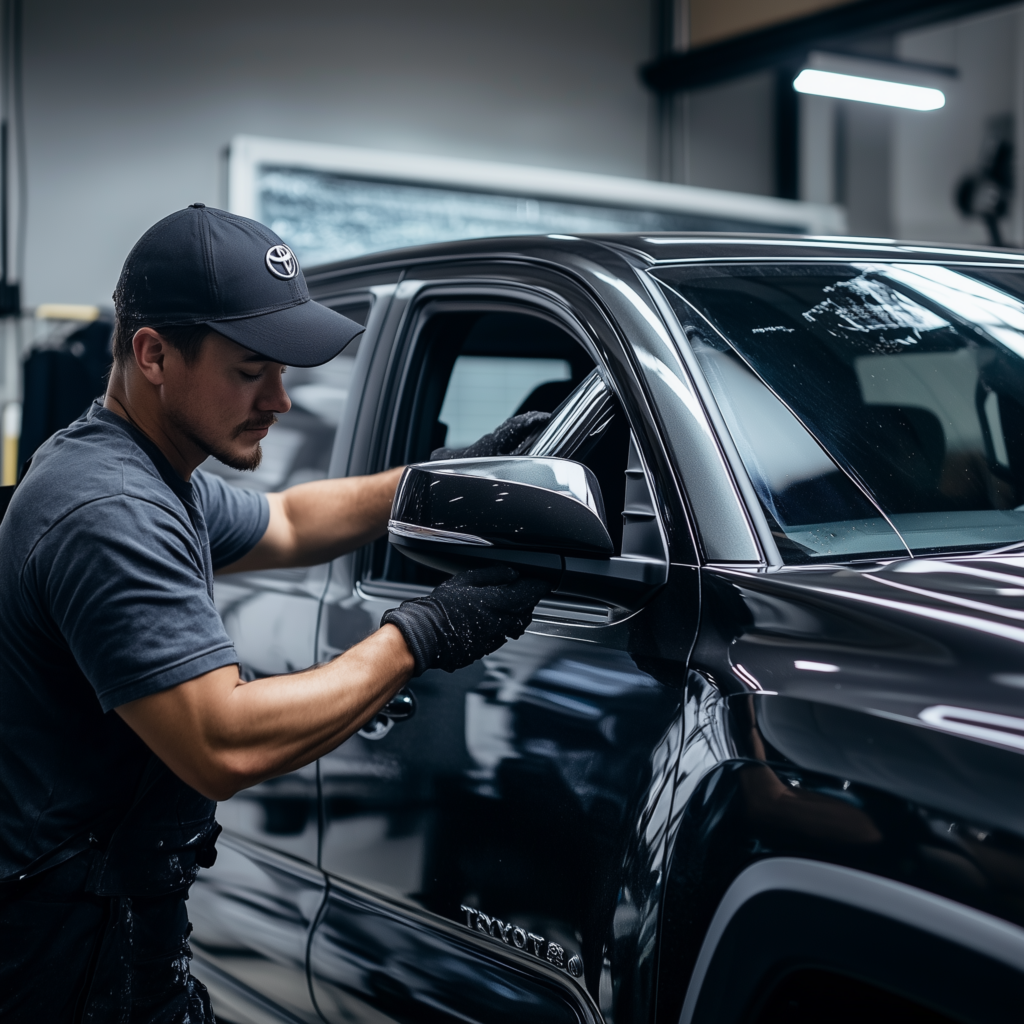
Window Tint

Explore Our Other Services

Besides ceramic coating, Premier Vehicle Films offers a variety of services to further protect and enhance your vehicle:

Colored PPF

– Add a splash of color with maximum protection.

Paint Protection Film

– Protect your vehicle from scratches and chips.

Window Tinting

– Improve privacy and reduce interior heat.

Visit our main site to learn more about our services and view our gallery of past work. At Premier Vehicle Films, we take pride in delivering the highest quality vehicle enhancements to our clients in Queen Creek and beyond. Contact us today for a consultation!

Open Hours
Mon - Fri:
8.00 am - 8.00 pm
Saturday:
9.00am - 6.00 pm
Sunday:
9.00am - 6.00 pm

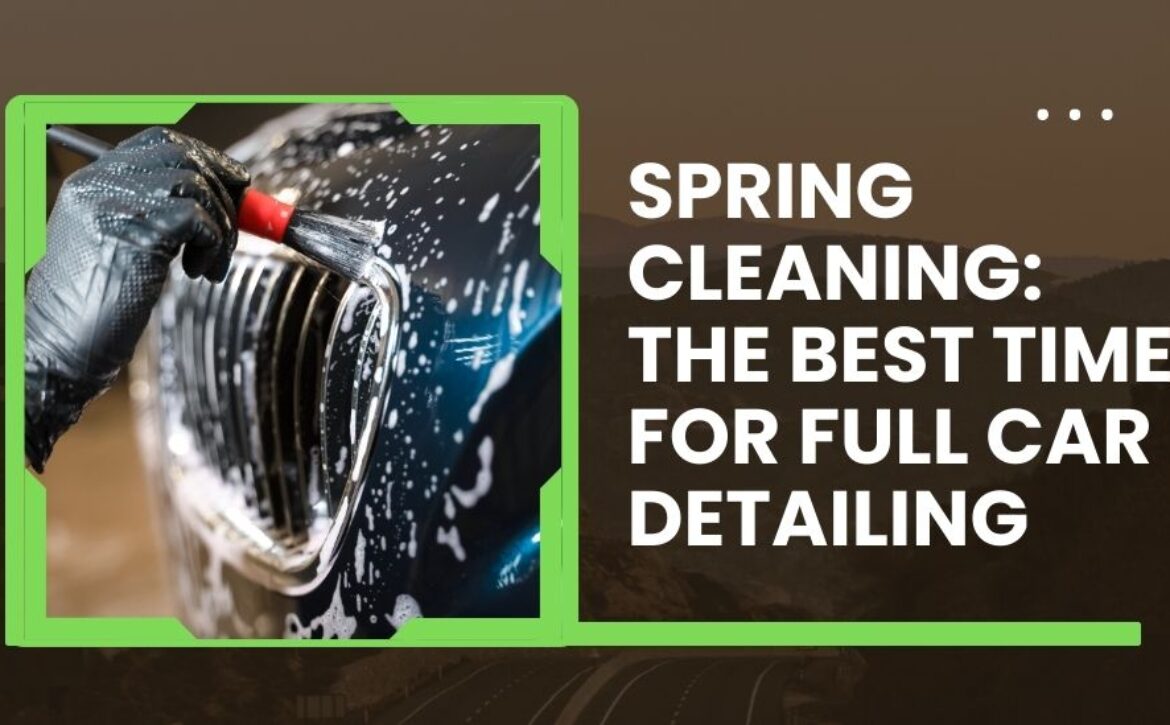
Spring Cleaning: The Best Time for Full Car Detailing

Spring is more than just a season of blossoms and warmer days—it’s also the perfect time to give your car the attention it truly deserves. After enduring months of rain, snow, salt, and grime, your vehicle needs more than a simple wash. Spring cleaning isn’t just for your home—your car deserves a refresh too. That’s where full car detailing comes in.

Whether you’re looking to improve your vehicle’s aesthetics, boost its resale value, or simply enjoy a more comfortable and hygienic ride, spring is the ideal season for a thorough detailing session. Here’s why—and how—to make the most of this timely automotive ritual.

Why Spring is the Best Season for Car Detailing

Winter is harsh on vehicles. Snow, salt, and slush wreak havoc on both the exterior and interior of your car. By the time spring rolls around, your car has likely accumulated layers of dirt, dust, and debris. Not to mention the unseen contaminants that affect the paint, undercarriage, and upholstery.

Spring’s mild weather offers perfect conditions for detailing. Unlike the freezing temperatures of winter or the scorching sun of summer, spring provides a moderate climate that ensures cleaning products work effectively without freezing or evaporating too quickly. This means you get better results with less effort and less risk of damage to your car’s surface.

Exterior Detailing: Restore the Shine

Spring is the ideal time to remove built-up grime and restore your car’s exterior to its glossy finish. Start with a deep wash to eliminate road salt, dirt, and debris. Pay special attention to the undercarriage, wheel wells, and tires—areas most affected by winter buildup.

After washing, move on to claying the surface. A clay bar removes embedded contaminants that washing alone can’t tackle. Once the surface is clean and smooth, polish the paint to eliminate minor scratches and oxidation. Finally, apply a high-quality wax or sealant to protect your car from UV rays, pollen, and spring rain.

This process not only revives the vehicle’s appearance but also protects its value and extends the life of the paint.

Interior Detailing: A Fresh Start Inside

While winter often means dragging in mud, moisture, and salt, spring invites you to reset the interior of your car. Start by removing all trash and clutter. Vacuum the carpets, seats, and trunk thoroughly. Use compressed air to clean out tight spaces such as air vents, seat rails, and dashboard crevices.

Wipe down all interior surfaces with appropriate cleaners—use leather conditioner for leather seats and gentle fabric cleaners for cloth upholstery. Shampoo the carpets if necessary, especially if salt stains are visible.

Finish the process by cleaning the windows and mirrors inside and out. Clean glass not only looks better but also enhances driving safety by reducing glare and improving visibility.

Don’t Forget the Details

Full car detailing isn’t complete without attention to the small things. Clean your headlights and taillights—they can become cloudy over time, which reduces visibility and the overall aesthetic of your car. Also, detail the engine bay. A clean engine compartment isn’t just about looks; it can also help identify leaks or worn belts before they become major issues.

Tire and wheel care is also crucial. Use a dedicated wheel cleaner and a brush to remove brake dust and road grime. Then, apply a tire dressing to enhance the rubber’s appearance and provide protection against cracking and fading.

Create a Seasonal Detailing Routine

One of the best ways to stay consistent with your vehicle’s maintenance is to follow a car detailing checklist tailored to each season. In spring, this checklist should include:

  • Exterior wash and wax 
  • Undercarriage and wheel well cleaning 
  • Paint decontamination (clay bar treatment) 
  • Paint polishing and sealing 
  • Headlight and taillight restoration 
  • Full interior vacuum and shampoo 
  • Dashboard and console wipe-down 
  • Glass cleaning 
  • Leather or fabric conditioning 
  • Engine bay cleaning 

By following a structured approach, you won’t miss any crucial steps, and you’ll ensure that your car remains in top condition as the seasons change.

Spring Car Care and Preventive Maintenance

Detailing is a major part of spring car care, but it’s also a good opportunity to perform some basic maintenance. After all, a clean car that doesn’t run well is only half the job done. Check your tire pressure and tread depth, change the oil if needed, inspect belts and hoses, and top off your windshield washer fluid. You should also examine your wiper blades, as they often wear down during winter.

If you haven’t already, schedule a professional inspection to check for any mechanical issues that may have been exacerbated by the colder months.

DIY vs. Professional Detailing

Some car owners prefer to detail their vehicles themselves, while others opt for professional services. Both approaches have benefits. DIY detailing can be therapeutic and budget-friendly if you have the time and tools. However, professional detailing often yields more precise results and uses industrial-grade products and equipment for longer-lasting protection.

If you’re short on time or want to ensure maximum quality, spring is a great time to book a professional detailing appointment. Look for a reputable service that uses eco-friendly products and has good customer reviews.

Benefits Beyond the Clean

Detailing is more than just cosmetic. It improves driving comfort, protects your investment, and even contributes to better mental well-being. Think about it: driving a clean, fresh-smelling car just feels better. It reduces stress, enhances focus, and makes commuting or traveling more enjoyable.

Additionally, if you’re planning to sell or trade in your car in the near future, a freshly detailed vehicle will fetch a higher price and create a stronger first impression with potential buyers.

Conclusion: Make the Most of Spring

There’s a reason why “spring cleaning” is such a well-known concept—it marks a time of renewal, of starting fresh. Don’t limit this revitalization to your home; your car deserves the same care. With the mild weather, longer days, and the aftermath of winter, spring cleaning is undeniably the best time for full car detailing.

By committing to seasonal detailing, especially in the spring, you ensure your vehicle not only looks great but performs better and lasts longer. So grab your checklist, carve out a few hours, and give your car the makeover it’s been waiting for all winter.

Understanding Arizona’s Window Tint Laws in 2025

Window tinting offers several benefits—enhanced privacy, protection from UV rays, reduced interior heat, and a sleek aesthetic. However, Arizona, like every state, has specific laws that regulate how dark or reflective your window tint can be. Ignoring these laws could lead to fines, vehicle inspection issues, or mandatory tint removal.

Here’s a comprehensive guide to understanding Arizona’s window tint laws in 2025 so you can customize your vehicle legally and confidently.

Why Arizona Regulates Window Tinting

The purpose of tint regulations is to ensure road safety and allow law enforcement officers visibility into vehicles during traffic stops. In a sunny and hot state like Arizona, drivers may prefer darker tints for heat reduction—but too-dark tints can hinder visibility, especially at night, creating potential safety risks for both drivers and pedestrians.

Arizona law aims to strike a balance between driver comfort and public safety.

Arizona Window Tint Law: Legal Limits for 2025

As of 2025, Arizona’s window tinting laws are as follows:

  • Windshield: Non-reflective tint is allowed only above the AS-1 line (a line marked on most windshields by the manufacturer).
  • Front Side Windows: Must allow more than 33% of light in (i.e., minimum 33% visible light transmission or VLT).
  • Back Side Windows: Any level of darkness is allowed.
  • Rear Window: Any level of darkness is allowed.

Reflectivity Limits in Arizona

Arizona also regulates how reflective your window tint can be:

  • Front and Back Side Windows: Must be no more than 35% reflective.

Highly reflective or “mirror-like” tints are not allowed, as they can cause visibility issues for other drivers and law enforcement.

Medical Exemptions

Arizona allows medical exemptions for window tinting. If you have a condition such as lupus, photosensitivity, or skin cancer, you may qualify for a medical waiver that permits darker tint than normally allowed.

To obtain an exemption:

  • You’ll need a signed letter or prescription from a licensed physician.
  • Submit the necessary paperwork to the Arizona Department of Transportation (ADOT).
  • Always carry a copy of the exemption in your vehicle.

Penalties for Non-Compliance

Failing to follow Arizona’s tint laws can lead to:

  • Traffic Tickets: You may be fined if your vehicle is found to have illegal tint.
  • Fix-It Orders: Law enforcement may require you to remove or replace the tint to bring it into compliance.
  • Failed Inspections: Non-compliant tint could result in your vehicle failing emissions or registration inspections.

Tips to Stay Legal in Arizona

  1. Have Your Tint Installed Professionally: Choose a licensed installer who is familiar with Arizona’s regulations.
  2. Ask About VLT and Reflectivity Ratings: Reputable shops will use films that comply with state law.
  3. Keep Proof of Legal Installation: This includes receipts, warranty documents, and any medical exemption paperwork.
  4. Avoid Buying Pre-Tinted Vehicles Without Verification: Always measure the VLT before purchasing a used car with aftermarket tint.

How Tint Is Measured

Arizona law enforcement uses VLT meters to test how much light passes through your windows. If your front side windows block more than 67% of visible light (i.e., less than 33% VLT), you could be cited.

Choosing the Right Tint for Arizona’s Climate

Because Arizona’s desert heat can be extreme, many drivers opt for UV- and heat-rejecting tints that stay within legal limits. Consider these options:

  • Ceramic Tint: Offers excellent UV and heat rejection without darkening your windows too much.
  • Multi-layer Films: Can block infrared heat and 99% of UV rays while staying compliant.
  • Legal Rear Tinting: Take advantage of the flexibility for back windows to increase privacy or reduce glare.

Final Thoughts

In Arizona, window tinting is not just about style—it’s also a practical choice for surviving the intense sun and heat. But it must be done legally. By understanding and following the 2025 tint laws, you can enjoy the benefits of tinting without risking tickets or forced removal.

Always work with a professional, verify VLT percentages, and stay informed about any legal updates. A compliant tint job will give you comfort, safety, and peace of mind on Arizona roads.

What Areas of Your Car Should You Apply PPF To?

When it comes to protecting your car’s paint, Paint Protection Film (PPF) is one of the most effective solutions on the market. This transparent, durable film acts as a barrier against road debris, rock chips, bug splatter, bird droppings, UV rays, and minor abrasions. While some car owners opt to cover their entire vehicle with PPF, others apply it strategically to specific areas most prone to damage. But where to apply PPF for the best protection and value?

In this guide, we’ll explore the key areas of your vehicle where PPF is most beneficial, why these areas are vulnerable, and how selective application can save you money while keeping your vehicle looking brand new.

Why Strategic PPF Application Matters

PPF isn’t just about keeping your car glossy—it’s about preventing real, irreversible damage to your paint. Even high-end vehicles are vulnerable to paint chips and scratches, especially when frequently driven. However, PPF installation can be an investment, which is why many car owners choose to protect only the most exposed and high-impact zones rather than wrapping the entire car.

This method, known as partial PPF coverage, helps preserve both aesthetic value and resale potential, while offering a cost-effective solution for those on a budget.

1. Front Bumper – Your First Line of Defense

The front bumper takes the brunt of oncoming debris, especially at highway speeds. Rocks, salt, sand, and bugs frequently make contact here, often resulting in chips or scratches. This is why the front bumper is considered one of the best panels for paint protection.

PPF coverage on the front bumper ensures your vehicle maintains its showroom look and reduces the need for frequent touch-ups or resprays.

2. Hood and Partial Hood

The hood, particularly the front third, is also highly susceptible to damage from flying debris and insects. Even though full hood coverage is ideal, many vehicle owners opt for a partial hood application to reduce costs. This typically covers the front 18 to 24 inches of the hood where impact is highest.

Since the hood contributes significantly to your car’s visual appeal, protecting it with PPF is essential for long-term beauty and value.

3. Fenders – Shielding the Curves

The front fenders, especially near the wheel wells, are another hotspot for damage. As your wheels rotate, they kick up road grime, salt, and stones, which hit the fender’s surface. Over time, this leads to a sandblasted appearance that dulls the paint and can expose metal.

Applying PPF to the fenders ensures that these curved surfaces—critical to your vehicle’s silhouette—stay smooth and shiny.

4. Side Mirrors – Small but Vulnerable

Despite their size, side mirrors are highly exposed. Positioned on the outermost edges of the vehicle, they are frequently struck by rocks and debris. A small chip on your mirror housing can lead to peeling paint or fading over time.

A simple PPF application here provides low-cost, high-value protection for a part that’s easy to overlook but expensive to replace.

5. Door Edges and Handles – High-Touch Zones

Door edges are notorious for getting chipped from being opened against curbs, poles, or walls. Likewise, door handle cups are scratched by fingernails, rings, or keys. These small imperfections quickly add up, especially on daily drivers.

PPF for door edges and handle cups offers invisible protection that preserves the paint without altering the appearance.

6. Rocker Panels – Road Spray Impact

Located along the bottom sides of your vehicle, rocker panels bear the brunt of road spray, salt, and slush, especially during rainy or snowy seasons. As a result, they’re often one of the first areas to show signs of wear and corrosion.

Covering these panels with PPF is a smart move for both aesthetic and structural protection, particularly if you live in regions with harsh winters or drive frequently on gravel roads.

7. Rear Bumper – Loading and Parking Protection

While the rear bumper doesn’t face as much forward motion debris as the front, it suffers from loading and unloading damage. Groceries, luggage, strollers, and toolboxes all pose a risk to this area. Parking lot mishaps can also leave scratches and scuffs on the rear bumper.

PPF here acts as a scratch-resistant shield, maintaining a clean look even with frequent use.

8. Trunk Ledge – The Forgotten Hotspot

Many vehicle owners overlook the trunk ledge, but it’s a common victim of scuffs from placing bags or dragging items in and out of the trunk. Scratches and chipped paint in this area can be frustrating and hard to conceal.

Applying a strip of PPF across the trunk sill helps avoid such damage and keeps the rear of your car looking pristine.

9. A-Pillars and Roof Edge – Subtle Yet Smart

A-pillars, the vertical supports on either side of your windshield, and the leading edge of your roof are often exposed to the same hazards as your hood and windshield. Flying debris tends to hit these surfaces and can leave pockmarks over time.

Though they may not be the most obvious parts to protect, adding PPF here can enhance long-term durability, especially for taller vehicles or those frequently driven at high speeds.

Final Thoughts: Optimize Your Coverage

So, where to apply PPF depends on your budget, driving habits, and aesthetic goals. While full-body PPF offers unmatched protection, it’s not always necessary. Instead, consider high-impact zones like the front bumper, hood, side mirrors, and rocker panels.

If you’re unsure how much coverage is right for you, consult with a certified installer who can recommend the best panels for paint protection based on your vehicle type and usage.

By applying PPF to the most vulnerable parts of your vehicle, you’re not only maintaining its appearance but also investing in its long-term value. Whether you own a luxury car, sports model, or daily driver, strategic PPF application ensures your vehicle remains a head-turner for years to come.