
Why Choose Our Ceramic Coating Services?

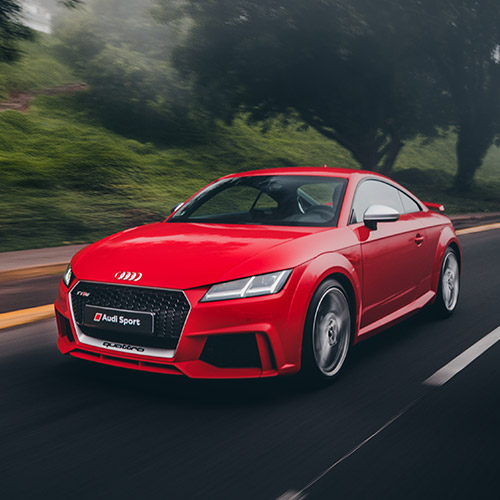
At Premier Vehicle Films, we are committed to enhancing and protecting your vehicle’s appearance with our specialized ceramic coating services. Located in the vibrant city of Queen Creek, AZ, we provide a comprehensive solution that ensures your vehicle remains pristine and shielded from environmental harm.

Here’s why our ceramic coating is considered top-notch:

Expert Installation and Durability:

Our technicians are highly trained and experienced in the application of ceramic coatings. We use industry-leading techniques to ensure that the coating bonds perfectly with your vehicle’s paint, providing unbeatable durability.

Glossy, Long-Lasting Finish

One of the primary benefits of our ceramic coating is the brilliant shine it lends to your vehicle’s surface. The coating’s glossy finish not only enhances its aesthetic appeal but also provides long-lasting protection.

Environmental Shield

The ceramic coating acts as a barrier against UV rays, dirt, bird droppings, and various other elements that can damage your vehicle’s exterior. This protective layer helps keep your vehicle looking new for longer.

Queen_Creek-Queen_Creek_Town_Hal
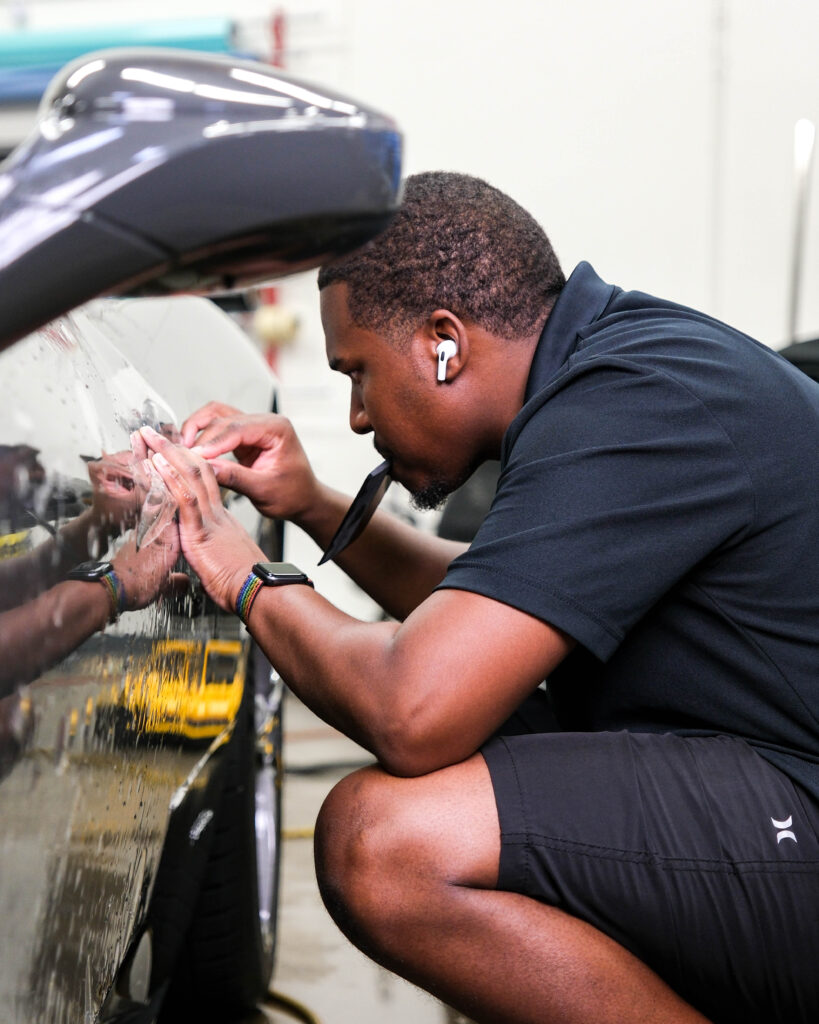
Car PPF Installation

By choosing Premier Vehicle Films for your ceramic coating needs, you’ll benefit from our commitment to quality and customer satisfaction. Our competitive edge lies in our meticulous attention to detail and the use of only the best materials.

The Benefits of Our Ceramic Coating Services

Our ceramic coating not only enhances your vehicle’s appearance but also provides numerous benefits, including:

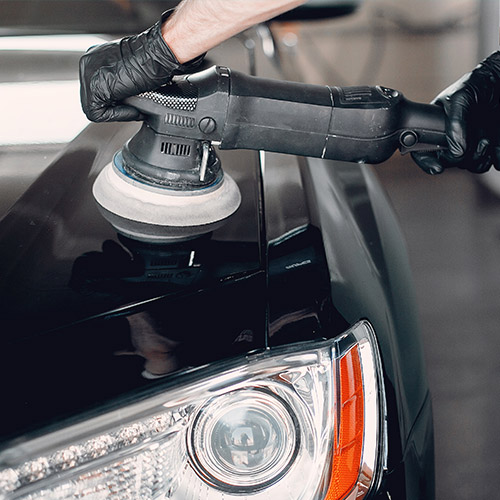
Paint Protection Film

Enhanced Visual Appeal

The slick, glossy finish achieved with our ceramic coating gives your car a showroom-like appearance. Your vehicle will shine with enhanced color depth and clarity.

Paint Protection Film

Maintenance Simplicity

The hydrophobic properties of the ceramic coating make cleaning your vehicle a breeze. Dirt, grime, and water beads off easily, reducing the time and effort needed for washing.

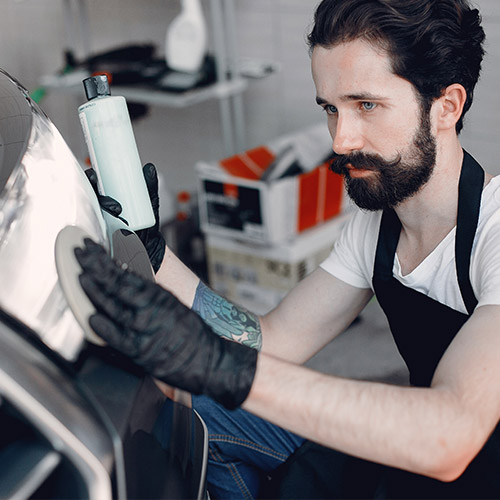
Ceramic Coating

Increased Resale Value

A vehicle with a well-maintained exterior often commands a higher resale price. Our ceramic coating helps preserve your vehicle’s finish, ensuring it looks great even after years of use.

Maintenance Tips for Your Ceramic Coated Vehicle

To maximize the benefits and longevity of your ceramic coating, follow these maintenance tips:

Regular Washing:

Maintain the cleanliness of the ceramic-coated surfaces by washing your vehicle regularly. Use a pH-neutral car shampoo and avoid abrasive cloths that may scratch the coating.

Do not use any cleaning agents that are not meant for coated vehicles as they can break down the coating. Stick to products specifically designed for automotive surfaces.

Inspect and Treat:

Periodically inspect your vehicle’s coating for signs of wear or damage. Scheduling routine maintenance treatments can help maintain the protective qualities of the coating.

Taking these steps ensures that your investment in ceramic coating gives your vehicle long-lasting beauty and protection.

Not located in Queen Creek? No worries, our San Tan Valley, Mesa, and Gilbert locations are ready to offer the same outstanding services!

Expert PPF installation
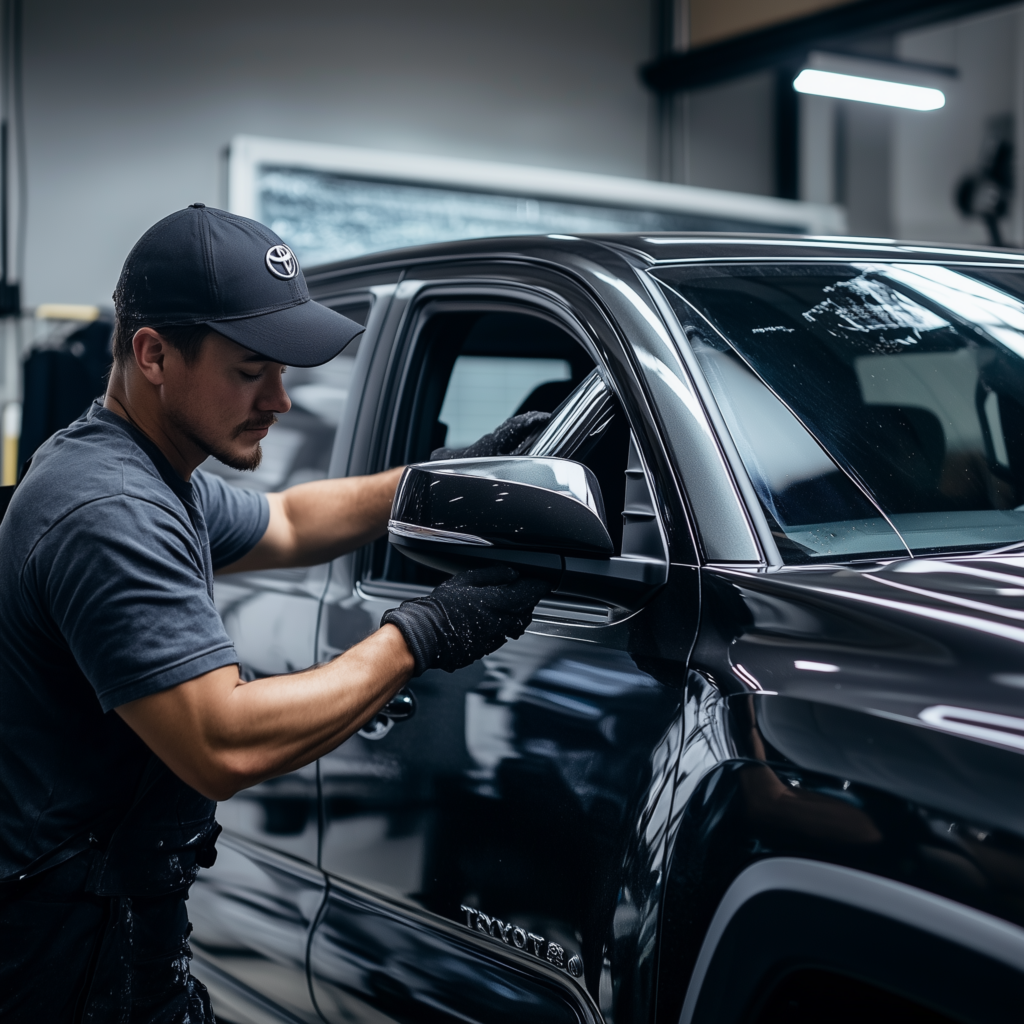
Window Tint

Explore Our Other Services

Besides ceramic coating, Premier Vehicle Films offers a variety of services to further protect and enhance your vehicle:

Colored PPF

– Add a splash of color with maximum protection.

Paint Protection Film

– Protect your vehicle from scratches and chips.

Window Tinting

– Improve privacy and reduce interior heat.

Visit our main site to learn more about our services and view our gallery of past work. At Premier Vehicle Films, we take pride in delivering the highest quality vehicle enhancements to our clients in Queen Creek and beyond. Contact us today for a consultation!

Open Hours
Mon - Fri:
8.00 am - 8.00 pm
Saturday:
9.00am - 6.00 pm
Sunday:
9.00am - 6.00 pm

Your Ultimate Guide to Automotive Window Tinting: Benefits, Costs & Legal Insights

Window tinting is more than just a visual upgrade—it’s a practical enhancement that improves comfort, safety, and protection. Whether you’re aiming for a sleek look, better privacy, or reduced cabin heat, tinting your car windows can be one of the most rewarding investments for your vehicle. In this guide, we’ll explore the different types of tint, their benefits, pricing, and answer the all-important question: Is window tinting legal where you live?

What Is Automotive Window Tinting?

Window tinting involves applying a specialized film to the glass surfaces of a vehicle to limit sunlight and UV exposure. These films vary in composition and performance, offering a range of options from basic to premium.

Common Types of Tint Film:

  • Dyed Film – Budget-friendly with decent glare reduction and privacy, though limited heat resistance. 
  • Metallic Film – Highly reflective and effective at heat blocking, but may interfere with GPS and electronic signals. 
  • Carbon Film – A matte-finish option that combines excellent UV protection with no signal issues. 
  • Ceramic Film – The most advanced type, providing top-tier clarity, heat rejection, and UV defense without compromising electronics. 

Why Tint Your Windows? Top Advantages

Tinted windows offer much more than good looks. Here are the top benefits of installing automotive window tint:

  1. Better Heat Control
    Quality tints can deflect up to 60% of solar heat, keeping your cabin cooler and easing the strain on your A/C system.
  2. Powerful UV Protection
    Tinting blocks up to 99% of harmful UV rays, helping to prevent skin damage and interior fading or cracking.
  3. Privacy & Security Boost
    Darker windows deter prying eyes and make it harder for potential thieves to spot valuables inside your car.
  4. Improved Visibility & Comfort
    Reduces glare from sunlight and headlights, making driving safer and more comfortable—especially at dawn and dusk.
  5. Added Safety
    In the event of an accident, certain films help hold shattered glass together, reducing the risk of injury.

How to Choose the Right Window Tint

With so many options available, it’s essential to match the right tint to your needs and budget. Here are some key factors to consider:

  • Visible Light Transmission (VLT%) – The lower the VLT, the darker the tint. Make sure it’s legal in your area. 
  • UV and Heat Rejection – Prioritize high-performance films if you live in a hot or sunny climate. 
  • Durability and Warranty – Longer warranties typically mean better quality and longevity. 
  • Local Laws – Always verify the legal limits for window tinting in your region. 

Top-Rated Tint Brands:

  • 3M Automotive Window Film 
  • LLumar 
  • SunTek 
  • XPEL 
  • FormulaOne 

These brands are renowned for durability, clarity, and consistent performance.

Are Window Tints Legal?

One of the most important things to research before tinting your vehicle is whether it’s legal in your area. Window tint laws differ by country, state, and even city.

Key Legal Considerations:

  • VLT Limits – Laws typically regulate how dark each window can be, especially the front side windows and windshield. 
  • Reflectivity – Some regions restrict reflective or mirrored films. 
  • Windshield Tinting – Usually only allowed above the AS-1 line (top strip of the windshield). 
  • Medical Exemptions – Some areas allow darker tints if medically necessary, with documentation. 

🔍 Pro Tip: Always consult your local transportation authority or DMV for up-to-date tinting regulations.

FAQs About Automotive Window Tinting

How long will my window tint last?
Premium tints installed by professionals typically last between 5–10 years.

Is tint removable?
Yes. Window tint can be safely removed using steam or adhesive removers without damaging your glass.

Will tinting reduce night visibility?
Darker tints can slightly affect visibility at night. Opt for high-clarity ceramic films if night driving is a concern.

Caring for Your Window Tint

Keep your tint looking fresh and extend its lifespan by following these simple maintenance tips:

  • Post-Installation: Don’t roll down your windows for at least 3–5 days. 
  • Cleaning: Only use ammonia-free cleaners and a soft microfiber cloth. 
  • Sun Protection: Park in shaded areas or use a windshield sunshade to minimize UV wear. 

Is Automotive Window Tint Worth It?

Without a doubt. Window tinting delivers an impressive mix of form and function—enhancing your car’s appearance while offering real-world benefits like heat reduction, UV shielding, and added privacy. From budget tints to high-end ceramic films, there’s an option for every driver.

Before getting started, make sure to:

  • Choose the best type of window tint for your goals 
  • Know the average cost for window tinting in your area 
  • Confirm the legal limits to avoid fines or required removal 

Final Thoughts

Window tinting is one of the most cost-effective and beneficial upgrades for your vehicle. Whether you’re going for the sleek look or protecting your interior, it’s an upgrade that pays off every time you get behind the wheel.

Let me know if you’d like this version tailored for SEO, turned into web content, or formatted for a brochure or landing page!

Ceramic Coating for Matte Finishes: Safe or Risky?

Matte finishes have surged in popularity among car enthusiasts and luxury vehicle owners, offering a bold, non-reflective appearance that sets vehicles apart from traditional glossy paint jobs. But with great aesthetics comes a need for thoughtful maintenance. One of the hottest debates in car care circles today is whether applying ceramic coating matte paint solutions is safe—or risky—for vehicles with matte finishes.

Let’s explore this topic in depth, looking at the advantages, concerns, and best practices for using ceramic coatings on matte-painted cars.

Understanding Matte Paint Finishes

Before diving into the safety of ceramic coatings, it’s important to understand what makes matte paint unique. Unlike glossy finishes that are smooth and reflect light evenly, matte paint has a textured surface that scatters light, creating that sought-after non-shiny, stealth-like look.

However, this texturing also makes matte finish care more challenging. The surface is more susceptible to visible damage from scratches, water spots, and chemical stains. Worse still, matte paint can’t be polished or buffed in the same way as glossy finishes—once it’s damaged, restoration is difficult and sometimes impossible without repainting.

What Is Ceramic Coating?

Ceramic coatings are liquid polymer solutions that bond chemically with the vehicle’s paint surface, forming a durable, protective layer. These coatings are widely known for their ability to:

  • Repel water and contaminants 
  • Resist UV rays 
  • Provide a self-cleaning effect 
  • Minimize oxidation 
  • Offer long-term protection 

While ceramic coatings are common on glossy finishes, their interaction with matte paint requires closer scrutiny.

Is Ceramic Coating Matte Paint Safe?

The short answer is yes—ceramic coatings can be safe for matte finishes, provided they are specifically designed or approved for use on matte surfaces. The risk lies in using the wrong type of coating or applying it incorrectly, which can alter the texture and appearance of the matte finish.

Let’s break down the pros and cons:

✅ Benefits of Ceramic Coating on Matte Finishes

  1. Protection Without Shine
    Specially formulated ceramic coatings for matte paint are designed to maintain the original flat appearance while providing surface protection. They won’t enhance gloss like standard coatings, preserving the raw, understated look of matte finishes. 
  2. Easier Maintenance
    Since matte surfaces can’t be polished, prevention is key. Ceramic coatings make cleaning easier by repelling dust, grime, and water spots—key for effective matte finish care. 
  3. UV and Chemical Resistance
    Matte paint is vulnerable to fading and staining. A ceramic coating acts as a shield, blocking UV rays and resisting acidic contaminants like bird droppings and bug splatter. 
  4. Hydrophobic Properties
    Water and dirt slide off a coated surface more easily, reducing the need for aggressive scrubbing, which can damage the delicate texture of matte paint. 

⚠️ Risks and Considerations

  1. Gloss Alteration
    Not all ceramic coatings are matte-safe. Using a regular ceramic coating not formulated for matte finishes can increase the paint’s reflectivity, turning your stealth look into an unintended semi-gloss. 
  2. Improper Application
    Uneven application can lead to blotchy or patchy areas that are difficult to remove. A flawed coating on a matte surface is more noticeable and less forgiving than on glossy paint. 
  3. Difficult Removal
    Once applied, ceramic coatings are semi-permanent. If the wrong product is used, removing it can require repainting, which is both costly and time-consuming. 
  4. Limited Product Selection
    While the market for ceramic coating matte paint products is growing, it remains niche. You need to ensure the product explicitly states its compatibility with matte or satin finishes. 

Best Practices for Applying Ceramic Coating to Matte Paint

If you’re considering ceramic coating for your matte car, follow these tips to maximize benefits and avoid pitfalls:

1. Choose the Right Product

Use only ceramic coatings that are formulated specifically for matte finishes. These products are engineered to maintain the low-sheen finish while offering full protective benefits.

2. Prep Is Crucial

The vehicle surface must be properly decontaminated before coating. Use pH-neutral soaps and avoid claying or polishing, which can damage matte surfaces.

3. Professional Application Recommended

While some DIY ceramic coatings exist, matte paint is less forgiving of mistakes. Professional detailers experienced with matte finishes can ensure a flawless, even application.

4. Routine Maintenance

Even with a coating, regular cleaning is essential. Avoid wax-based products or anything with fillers that may alter the texture. Stick to matte-specific shampoos and microfiber cloths.

Alternatives to Ceramic Coating

For owners still on the fence, there are alternatives to ceramic coatings that provide protection with potentially fewer risks:

  • Matte Paint Sealants – These are less durable than ceramic coatings but easier to remove or reapply. 
  • PPF (Paint Protection Film) – Especially useful for high-impact areas, PPF offers physical protection and is available in matte finishes to blend seamlessly. 
  • Frequent Hand Washing – While time-consuming, meticulous cleaning using the right products can also preserve your finish without adding any coatings.

Final Verdict: Safe or Risky?

Ceramic coating matte paint is generally safe—but only if the right product and methods are used. The key is to avoid conventional ceramic coatings that may add unwanted gloss and instead opt for matte-specific formulations that preserve the unique, non-reflective aesthetic.

For those who value long-term protection and ease of maintenance, ceramic coatings offer an excellent solution for matte finish care, especially when applied by a professional. However, for purists or those concerned about altering their paint’s original look, alternative protection methods like PPF or matte sealants may be preferable.

In conclusion, ceramic coatings are not inherently risky for matte finishes—but uninformed decisions can lead to undesirable outcomes. As always, knowledge, preparation, and product selection are the cornerstones of successful car care.

Best Products for Cleaning Car Seats and Upholstery

Maintaining the cleanliness of your car’s interior is just as important as keeping the exterior spotless. Over time, car seats and upholstery collect dust, food crumbs, body oils, spills, pet hair, and more. Without proper care, this buildup can lead to stubborn stains, foul odors, and even a decrease in the resale value of your vehicle. To help you restore that fresh, clean feel, we’ve compiled a list of the best products for cleaning car seats and upholstery.

Why Clean Your Car Seats and Upholstery Regularly?

Before diving into the top-rated products, let’s understand why regular interior cleaning is essential:

  • Preserves the material – Whether you have leather, cloth, or vinyl seats, regular cleaning prevents wear and tear.
  • Improves air quality – A clean interior reduces allergens and odor-causing bacteria.
  • Enhances aesthetics – Clean seats instantly boost the look and feel of your vehicle.
  • Maintains resale value – A spotless interior leaves a great impression on potential buyers.

Now, let’s explore some of the best cleaning solutions and tools available today.

1. Chemical Guys Fabric Clean Carpet and Upholstery Shampoo

A highly popular choice among car enthusiasts, this cleaner is designed for deep-cleaning cloth seats and carpets. It uses a foaming action to lift dirt and stains from fibers without leaving any residue. It’s effective for everyday messes like coffee spills, mud, and pet accidents.

Features:

  • High-suds formula for deep cleaning
  • Neutral pH balance
  • Pleasant scent

Best for: Cloth upholstery and carpets

2. Meguiar’s Gold Class Rich Leather Cleaner & Conditioner

If you have leather seats, this product is a must-have. It gently cleans and conditions leather surfaces without leaving them greasy. The product also includes UV protection to help prevent leather from drying and cracking.

Features:

  • Cleans, conditions, and protects
  • Non-greasy finish
  • UV-blocking agents

Best for: Leather car seats

3. Turtle Wax Power Out! Upholstery Cleaner

This versatile foam cleaner comes with a built-in brush, making it easier to scrub dirt from seats and upholstery. The cleaner works great on both fabric and vinyl, removing odors and restoring the original look of your interior.

Features:

  • Integrated brush for scrubbing
  • Odor-X technology to eliminate smells
  • Quick-drying foam

Best for: Fabric, vinyl, and carpets

4. CarGuys Super Cleaner

An all-purpose cleaner that goes beyond just upholstery, this product works on dashboards, leather, cloth, and plastic. It removes dirt and grime without needing water. It’s a powerful solution when you need a one-bottle-fits-all approach.

Features:

  • Multi-surface usage
  • No water required
  • Fast-acting formula

Best for: Car owners seeking a multipurpose cleaning solution

5. Bissell SpotClean ProHeat Portable Spot Cleaner

When you need a tool that goes deeper than a spray bottle and brush, the SpotClean machine is your answer. It uses water, cleaning solution, and heat to lift deep-set stains from fabric and carpeted surfaces.

Features:

  • Built-in Heatwave technology
  • Powerful suction
  • Comes with attachments for tight spots

Best for: Deep auto upholstery cleaning

6. Armor All Oxi Magic Carpet & Upholstery Cleaner

This foaming cleaner uses oxygen action to break down tough stains. It works quickly and is effective on both new and old stains. It’s especially useful for high-traffic family vehicles where spills are common.

Features:

  • Fast-acting oxygen-based formula
  • Safe for all colorfast upholstery
  • Great for food and drink stains

Best for: Family cars, taxis, and rideshare vehicles

7. Mothers Carpet & Upholstery Brush

Although not a chemical product, having the right tools is essential for effective cleaning. This brush features stiff bristles and an ergonomic handle that makes scrubbing less tiring and more effective.

Features:

  • Curved design for better grip
  • Durable, chemical-resistant bristles
  • Ideal for stubborn stains

Best for: Manual scrubbing on fabric seats and floor mats

8. Griot’s Garage Interior Cleaner

This interior cleaner is safe for all surfaces, including carpets, vinyl, and cloth. It doesn’t leave behind any scent, which makes it ideal for users sensitive to fragrances. It’s also safe for use on LCD screens, making it a gentle yet effective interior solution.

Features:

  • Fragrance-free
  • Non-sticky finish
  • Safe for all interior surfaces

Best for: Users with chemical sensitivities

9. Adam’s Interior Detailer with Microban

This dual-purpose spray not only cleans but also adds a layer of protection with Microban technology. It prevents the growth of bacteria, mold, and mildew on surfaces—an essential feature for those in humid or tropical climates.

Features:

  • Anti-bacterial protection
  • UV blockers
  • Pleasant citrus scent

Best for: Daily upkeep and sanitation

10. Blue Coral Upholstery Cleaner Dri-Clean

This dry foam cleaner works on tough grease and grime without soaking the material. It also leaves behind a fresh scent and is easy to vacuum once dried.

Features:

  • Dry foam formulation
  • Excellent for greasy stains
  • Built-in brush cap

Best for: Quick refreshes and touch-ups

Choosing the Right Car Seat Cleaner

When selecting the best car seat cleaner, consider the material of your seats. Fabric and cloth seats respond well to foaming agents, while leather requires products with conditioning agents to prevent cracking. If you’re looking for a one-product solution, opt for multipurpose cleaners that cover various surfaces.

Here are a few tips when using any car seat or upholstery cleaner:

  • Test first: Always spot-test on a hidden area to check for discoloration.
  • Use soft brushes: Avoid hard bristles that might damage upholstery.
  • Dry thoroughly: Allow seats to dry fully before use to prevent mold or odor buildup.
  • Ventilate: Open windows and doors after cleaning to allow airflow.

Final Thoughts

Investing in quality interior cleaning products is not just about aesthetics—it’s about maintaining hygiene, comfort, and your vehicle’s value. From deep-cleaning shampoos and spot removers to all-in-one sprays and portable extractors, there’s a product out there for every kind of vehicle owner and budget.

Whether you’re tackling pet stains, spilled coffee, or just routine dirt, the right tools and products can make all the difference. Regular auto upholstery cleaning doesn’t just improve your car’s appearance—it contributes to a healthier and more enjoyable driving experience.

How Window Tinting Reduces Interior Fading and UV Damage

Vehicle owners invest significant time and money in maintaining the aesthetics of their cars—both inside and out. While regular cleaning, conditioning, and detailing are important, there’s one often-overlooked aspect that plays a critical role in preserving your car’s interior: window tinting. Beyond enhancing style and providing privacy, window tinting serves a practical and protective function—reducing interior fading and shielding against harmful UV rays.

In this article, we’ll explore how window tinting acts as a defense barrier for your vehicle’s cabin, protecting your upholstery, dashboard, electronics, and more from the sun’s relentless impact.

The Science Behind UV Damage and Interior Fading

To understand the benefits of window tinting, it’s important to first grasp how UV rays affect your car’s interior. Sunlight contains three main types of ultraviolet radiation: UVA, UVB, and UVC. While UVC is largely filtered by the atmosphere, UVA and UVB penetrate glass and are responsible for most sun-related damage.

Extended exposure to UV rays breaks down the chemical bonds in materials like leather, vinyl, plastic, and fabric. Over time, this leads to:

  • Discoloration and fading of upholstery 
  • Cracking and brittleness of dashboards and trims 
  • Weakening of adhesives and glues 
  • Damage to electronic components 

Even on cloudy days, UV rays can infiltrate your car windows and cause gradual, irreversible harm.

How Window Tinting Blocks UV Rays

Modern window tint films are designed with advanced technologies that allow them to block a substantial portion of UV rays. Some premium films can block up to 99% of both UVA and UVB rays, making them extremely effective in reducing sun damage.

Window tint UV protection works by incorporating special UV absorbers and reflectors in the tint film layers. These materials trap and deflect harmful rays, preventing them from entering the cabin and reaching your vehicle’s interior surfaces.

Not only does this reduce heat buildup inside the car, but it also prolongs the lifespan of interior components by minimizing direct exposure to sunlight.

Benefits of Window Tinting for Interior Fade Prevention

When it comes to fade prevention car interior solutions, window tinting stands out as one of the most efficient and low-maintenance options. Let’s look at the key benefits:

1. Preserves Upholstery and Dashboard Integrity

Sun exposure leads to dull, faded, and unevenly colored seats. Leather can crack, and cloth can lose its vibrancy. Dashboards and door panels are equally vulnerable. Tinting reduces the intensity of sunlight that penetrates the glass, preserving the original look and feel of these surfaces.

2. Protects Electronics and Displays

Modern cars are equipped with advanced infotainment systems, digital dashboards, and sensors—all of which are sensitive to excessive heat and UV radiation. Prolonged exposure can damage these components or lead to malfunctions. Tinted windows help regulate the internal temperature and reduce stress on electronic equipment.

3. Improves Comfort and Temperature Control

While fading prevention is the core topic, temperature also plays a role. UV rays contribute significantly to the greenhouse effect inside your car. Tinted windows reduce heat buildup, ensuring a more comfortable environment and reducing the need for aggressive air conditioning, which can wear out your HVAC system faster.

4. Reduces Glare

Although not directly linked to fading, glare from sunlight can be harsh on the eyes and contribute to accidents. Window tinting reduces glare without compromising visibility, offering safer driving conditions and further protecting the dashboard and seats from direct light.

Different Types of Tint Films for UV Protection

Not all window tints offer the same level of UV protection. Here’s a breakdown of popular types:

  • Dyed Film: Basic protection with some UV resistance, mainly used for aesthetics and glare reduction. 
  • Metalized Film: Offers better UV and heat rejection but may interfere with GPS and phone signals. 
  • Carbon Film: Superior UV blocking without signal interference; enhances energy efficiency. 
  • Ceramic Film: Premium option with the highest levels of UV and heat rejection, often blocking over 99% of UV rays without compromising clarity. 

Choosing the right film depends on your budget and protection goals. However, for maximum interior preservation, ceramic films are highly recommended.

Common Myths About Window Tinting and Interior Protection

Myth 1: Factory-Tinted Glass Is Enough

Most vehicles come with some level of factory tint, but it usually provides minimal UV protection. These tints are often designed for aesthetic purposes or basic privacy—not for shielding the interior from the sun.

Myth 2: UV Damage Only Occurs in Hot Climates

UV rays are present even in cooler or overcast environments. Whether you’re in a tropical area or a temperate zone, UV rays can still penetrate your windows and damage your car’s interior.

Myth 3: Window Tinting Is Just for Looks

While it does add a sleek look to vehicles, window tinting’s core value lies in its ability to protect and preserve. Think of it as a long-term investment in your vehicle’s condition and resale value.

How to Choose a Professional Window Tinting Service

To ensure effective protection, it’s vital to choose a reputable tinting provider. Here are a few tips:

  • Check for UV Protection Ratings: Look for products that block at least 99% of UV rays. 
  • Ask About Film Types: Opt for carbon or ceramic films for better durability and protection. 
  • Review Warranty Options: Quality tinting usually comes with long-term or even lifetime warranties. 
  • Evaluate Certification and Reviews: Choose a service with professional installers and positive customer feedback. 

Professional installation also ensures compliance with local laws regarding tint darkness and visibility.

Long-Term Cost Benefits

Investing in window tinting can help save money over time. Here’s how:

  • Reduced need for interior repairs and upholstery replacements 
  • Lower cooling costs from reduced heat absorption 
  • Higher resale value due to better interior condition 

By preventing early deterioration, tinting helps you maintain the value and performance of your vehicle.

Final Thoughts

Window tinting is more than just a cosmetic enhancement—it’s a proactive measure to protect your vehicle from UV radiation and heat. By significantly reducing sun exposure, it helps guard against fading, cracking, and deterioration of your car’s interior components. Whether you’re safeguarding leather seats or preserving a high-end infotainment system, tinting is a smart, cost-effective choice.

If you’re serious about maintaining your car’s interior, window tint UV protection is not optional—it’s essential.

How to Tell If Your Ceramic Coating Is Still Working

Ceramic coatings have revolutionized car care, offering a sleek finish, UV protection, and resistance to grime, water, and minor scratches. But how do you know if your ceramic coating is still working after months—or even years—of application? Just because your car looks clean doesn’t mean the coating is performing at its peak. Understanding the signs of a healthy coating and knowing when it starts to fail is crucial to maintaining that showroom shine.

In this article, we’ll explore simple methods to assess your coating’s condition, what indicators to look for, and how to extend the life of your investment.

What Does Ceramic Coating Do?

Before diving into tests and inspections, it helps to recap what ceramic coating is designed to do. Applied as a liquid polymer, ceramic coating chemically bonds to your car’s paint, forming a long-lasting protective layer. This layer provides:

  • Hydrophobic properties, causing water to bead and roll off
  • UV protection to prevent paint oxidation
  • Chemical resistance from road salts, bird droppings, and acidic contaminants
  • Enhanced gloss and shine
  • Easier cleaning and reduced dirt adhesion 

Most ceramic coatings last between 2–5 years, depending on the quality of the product, the application method, and ongoing maintenance.

Visual Inspection: The First Step

One of the easiest ways to begin a ceramic coating check is a simple visual inspection. Look at your car under natural light. Is the surface still glossy? Does it reflect light cleanly without appearing dull?

Here’s what a well-maintained coating should still display:

  • Gloss and Shine: The vehicle paint should appear deep, glossy, and reflective. 
  • Lack of Contaminant Buildup: If dirt or road grime seems to stick to the surface instead of easily rinsing off, your coating may be failing.
  • Even Appearance: The finish should be uniform. If certain panels look dull or discolored compared to others, those areas might have worn down. 

While visual cues can provide a clue, they are not enough to confirm the coating’s effectiveness. That’s where testing comes in.

The Water Behavior Test

Perhaps the most popular and accessible way to assess a ceramic coating is through a hydrophobic test. This involves pouring water on the car’s surface to observe how it behaves.

How to Perform a Hydrophobic Test:

  1. Use a hose or pour a clean bucket of water on a few sections of your car.
  2. Observe how the water reacts on the surface.
  3. Look for tight, round beads of water forming and rolling off smoothly. 

What It Means:

  • Tight Beads and Fast Sheeting: Your coating is in excellent condition.
  • Flat Water Pools: The hydrophobic properties are fading, meaning your coating may be wearing down.
  • Uneven Behavior: This suggests the coating is breaking down in patches and may need spot reapplication or a full refresh. 

This test provides a clear visual indicator of whether your coating is still doing its job effectively.

The Tactile Feel Test

Another useful test is to simply run your hand (or a microfiber towel) gently across a clean, dry surface of your car. When a ceramic coating is in good condition, the surface should feel extremely smooth and slick.

Key Signs of a Healthy Coating:

  • Silky and frictionless texture
  • No drag or resistance when wiping

If the surface starts feeling rough or sticky despite being clean, this may indicate contamination or the breakdown of the coating.

Mud and Dirt Repellency

A fully functioning ceramic coating will resist dirt, mud, and other road grime. If you find that dirt is sticking more easily or taking longer to clean off than usual, it might be a sign your coating’s self-cleaning properties are diminishing.

Observe how frequently you have to wash your car and how difficult it is to remove dirt. If you’re needing more effort and more soap than usual, the protective layer may be compromised.

Chemical Decontamination Reaction

Advanced users or professional detailers might use pH-neutral or slightly acidic cleaners to observe how the coating responds. On a healthy coating, contaminants like iron fallout or tree sap should not bond strongly to the surface.

Warning: Only use automotive-safe chemicals and test a small area first. Overuse of harsh products can strip the coating and make the problem worse.

Professional Inspection and Tools

If you’re still unsure, a visit to a professional auto detailer can help. They can use tools like:

  • Paint thickness gauges
  • Infrared thermometers (to detect heat retention from failed coatings)
  • Coating-specific testers

Professionals can also detect any improper maintenance or errors in the application process and offer solutions such as coating rejuvenators or reapplication services.

Common Myths About Failing Ceramic Coatings

Let’s clear up a few misconceptions that might lead you to think your coating has failed when it hasn’t:

  • Myth: Water spots mean the coating failed.
    Truth: Water spots can form on any surface, even with a coating. They’re caused by mineral deposits, not coating failure. 
  • Myth: Loss of gloss means no protection.
    Truth: While gloss often diminishes with time, the protective properties might still be intact. 
  • Myth: You should never have to wash a ceramic-coated car.
    Truth: You still need to wash regularly—but it should be easier.

Understanding these myths helps you perform a realistic assessment of your coating’s performance.

How to Maintain the Coating for Longevity

If your coating is still functional but showing early signs of wear, you can prolong its lifespan with proper care:

  • Use pH-neutral car shampoos specifically designed for ceramic-coated vehicles.
  • Avoid automatic car washes with brushes or harsh chemicals.
  • Apply ceramic boosters or toppers every few months.
  • Dry your car properly to avoid water spots.

Regular inspections every 3–6 months can catch early signs of wear and help maintain optimal performance.

When to Reapply or Replace the Coating

Despite best practices, all ceramic coatings have a lifespan. If multiple sections fail the hydrophobic test, the surface loses its slick feel, and cleaning becomes difficult—it might be time to reapply.

Consider a full re-coating if:

  • You’re not seeing any water beading or sheeting
  • There’s excessive dirt retention
  • The car’s gloss has significantly dulled
  • Patches of paint appear exposed or uneven

Professional removal and reapplication ensure that your vehicle regains full protection and shine.

Final Thoughts

Knowing how to tell if your ceramic coating is still working is essential for car owners who want to preserve their investment and ensure long-term paint protection. From visual checks to the hydrophobic test and even a full ceramic coating check, these methods can help you determine when to maintain, boost, or replace your coating.

A little attention goes a long way. Regular inspection and maintenance will keep your car looking like new and protected from the elements year after year.

Window Tinting Benefits: A Smart Move for Every Driver

Window tinting is often associated with increased privacy, but that’s just the beginning. Modern window films offer a wide range of benefits that enhance your vehicle’s protection, comfort, and even its longevity. Whether you’re cruising through sun-soaked streets or navigating city traffic, window tinting can make every drive better.

Let’s explore the deeper advantages that go beyond privacy and give real value to drivers year-round

1. Blocks Harmful UV Radiation

Your car’s windows might look clear, but they offer little protection from the sun’s ultraviolet rays. Quality window tinting blocks up to 99% of these harmful rays, helping prevent skin damage and minimizing the risk of conditions associated with long-term UV exposure.

This protective layer acts like sunscreen for your car’s occupants, providing peace of mind whether you’re on a long road trip or stuck in daily traffic.

2. Preserves Your Car’s Interior

Constant sunlight exposure can wreak havoc on your interior. Leather cracks, dashboards fade, and fabrics wear out prematurely. Window tint serves as a barrier that shields your cabin from the sun’s harsh effects, helping maintain your vehicle’s interior in excellent condition over time.

This kind of care keeps your car looking newer for longer and enhances its appeal to future buyers.

3. Keeps Your Vehicle Cooler

Sunlight streaming through glass quickly heats up the inside of your car. With tinted windows, a significant portion of that heat is blocked before it even enters. This keeps your car more comfortable, especially during scorching summer days.

A cooler interior means less reliance on air conditioning, which can help reduce the strain on your vehicle’s systems.

4. Reduces Glare and Eye Strain

Glare from direct sunlight and headlights can make driving stressful—and sometimes dangerous. Window tint helps reduce harsh light entering your vehicle, improving visibility and decreasing eye fatigue. It’s especially beneficial on long drives, when bright reflections from the road can become a major distraction.

With glare reduction, every drive becomes safer and more enjoyable.

5. Enhances Safety During Accidents

In the event of an accident, window film can help hold shattered glass in place. Instead of glass scattering across the cabin, the tint keeps it together, reducing the risk of injury. It’s a hidden safety feature that can make a big difference when it matters most.

6. Deters Theft and Intrusion

Windows that are tinted offer a visual barrier to your car’s interior, making it harder for thieves to see inside. This added layer of security can discourage smash-and-grab attempts, as the contents of your car aren’t easily visible from the outside.

Even a few seconds of delay can prevent a break-in attempt altogether.

7. Adds a Polished Look to Any Vehicle

There’s no denying the sleek appearance tinted windows give to a vehicle. They create a refined, streamlined aesthetic that complements almost any car model—whether you’re driving a sporty coupe or a practical sedan.

This stylish upgrade instantly boosts curb appeal and adds a sense of personalization to your ride.

8. Protects Onboard Electronics

From infotainment screens to dashboard cameras, modern cars come packed with sensitive electronics. Excessive heat and UV exposure can shorten the lifespan of these components. Tinting helps maintain a stable cabin temperature and reduces sun glare, protecting these valuable systems.

It’s a small step that offers long-term reliability for your tech-savvy car.

9. Maintains Visibility While Increasing Privacy

One of the best features of window tinting is how it allows for clear visibility from inside the car while limiting what others can see from the outside. You can enjoy full awareness of your surroundings without sacrificing your privacy.

This feature is especially useful when your car is parked, keeping valuables out of sight.

10. Customization That Fits the Law

Window tints are available in various shades and finishes, making it easy to find one that suits both your style and your region’s legal requirements. Professional installers can help ensure that the tint meets all local regulations, so you stay compliant while still enjoying the full benefits.

Final Thoughts

Window tinting is a smart, functional upgrade that brings multiple layers of value to your vehicle. Beyond enhancing privacy, it offers protection from harmful rays, keeps interiors cooler, supports safer driving, and adds a touch of elegance.

If you’re considering an upgrade that improves both the performance and comfort of your car, window tinting is one decision you won’t regret. It’s more than a cosmetic choice—it’s a commitment to better driving and long-term vehicle care.

The Complete Guide to Paint Protection Film: Benefits, Comparisons & Care

Introduction

Your vehicle’s paint is constantly exposed to road debris, UV rays, bird droppings, tree sap, and countless other environmental hazards. Over time, these threats take a toll, dulling the finish and diminishing your car’s appearance.
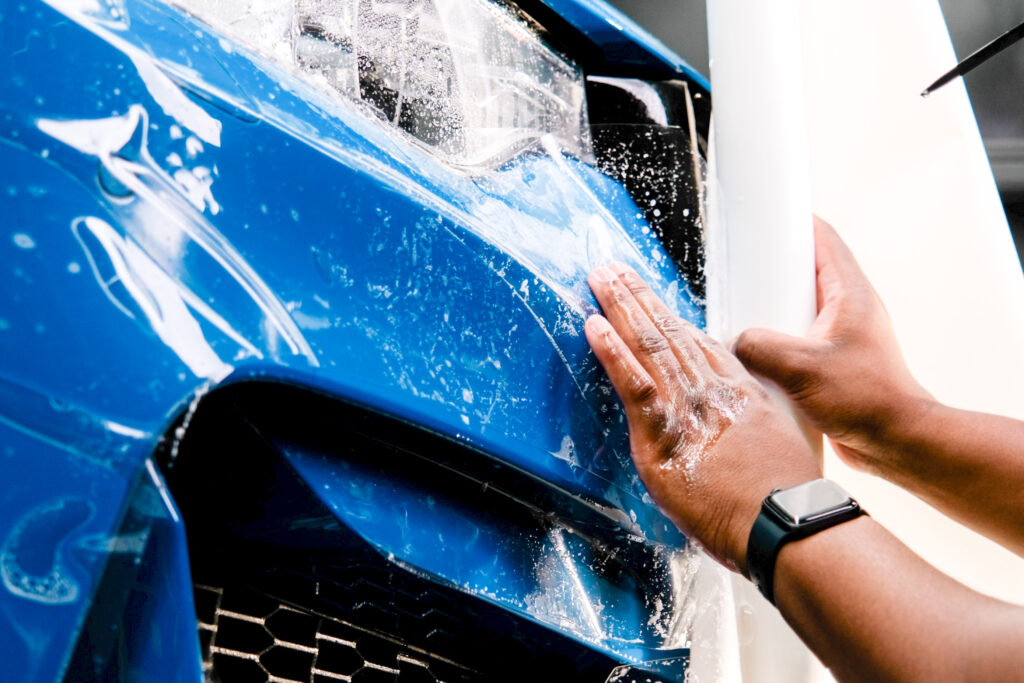
Paint Protection Film (PPF) is one of the most effective solutions to preserve your car’s exterior, keeping it looking like new while adding a durable layer of protection against physical damage and harsh elements.

In this guide, you’ll discover what PPF is, how it works, its major benefits, how it compares to ceramic coating, and how to care for it long-term.

What Is Paint Protection Film?

Paint Protection Film is a transparent urethane layer applied directly to your car’s painted surfaces. Originally developed for military use to protect helicopter blades, modern automotive PPF has become an essential upgrade for both luxury vehicles and daily drivers.

How It Works:

  • Acts as a physical barrier against chips, scratches, and contaminants
  • Self-healing properties allow minor scratches to disappear when exposed to heat
  • Protects the paint underneath from long-term damage

Key Benefits of Paint Protection Film

1️⃣ Superior Defense Against Physical Damage

  • Shields against stone chips, gravel, and small road debris
  • Reduces the risk of swirl marks caused by improper washing techniques

2️⃣ Self-Healing Technology

  • Fine scratches disappear when exposed to sunlight or warm water
  • Keeps the surface smooth and glossy with minimal upkeep

3️⃣ UV and Chemical Resistance

  • Protects against paint oxidation and fading caused by the sun
  • Resists damage from bird droppings, insect splatter, tree sap, and harsh contaminants

4️⃣ Maintains Resale Value

  • Preserves the factory paint’s original condition
  • Increases vehicle appeal to future buyers by minimizing visible wear

5️⃣ Virtually Invisible Protection

  • High-clarity films maintain your vehicle’s color and finish
  • Available in both gloss and matte options for a custom look

Paint Protection Film vs Ceramic Coating

While both PPF and ceramic coatings offer excellent protection, they serve distinct purposes:

Feature Paint Protection Film (PPF) Ceramic Coating
Type of Protection Physical barrier (chips, scratches) Chemical barrier (UV, contaminants)
Self-Healing Yes (with heat) No
Durability Long-lasting (5–10 years) Moderate to long (2–5 years)
Surface Finish Gloss or matte Deep gloss only
Hydrophobic Properties Optional with top coat Built-in hydrophobicity

Pro Tip: Many vehicle owners combine both PPF and ceramic coating to achieve maximum protection and ease of maintenance.

Can PPF and Ceramic Coating Be Combined?

Yes! This combination delivers the best of both worlds:

  • PPF protects against chips, scratches, and impact damage.
  • Ceramic Coating adds superior hydrophobic properties, enhanced gloss, and makes cleaning even easier.

Applying ceramic coating over PPF further boosts its durability and keeps your car’s exterior looking freshly detailed.

How to Clean and Maintain Paint Protection Film

Proper care ensures your PPF performs and looks its best for years.

Recommended Cleaning Products:

  • CarPro Elixir: pH-neutral quick detailer that’s safe for PPF
  • Gyeon Q²M Cure: Maintains hydrophobic properties
  • Chemical Guys Meticulous Matte: Ideal for matte PPF finishes

Cleaning Routine:

1️⃣ Rinse Thoroughly – Use a hose or pressure washer (low setting) to remove loose dirt.
2️⃣ Gentle Wash – Clean with a microfiber mitt and PPF-safe, pH-neutral shampoo.
3️⃣ Dry Properly – Use soft microfiber towels or blow drying tools.
4️⃣ Maintain Protection – Apply a PPF-safe sealant every few months to refresh the hydrophobic layer.

What to Avoid:

  • Abrasive brushes or rough sponges
  • Ammonia-based cleaners
  • Automatic car washes with harsh bristles

Frequently Asked Questions

Q1: How long does Paint Protection Film last?
High-quality PPF can last 5 to 10 years, depending on maintenance, brand, and driving conditions.

Q2: Can PPF be removed?
Yes. Professionals can safely remove PPF without damaging your original paint.

Q3: Will PPF turn yellow over time?
Modern films from reputable brands are UV-resistant and designed to stay clear for years.

Q4: Is Paint Protection Film worth it?
Absolutely. Preventing damage now can save you from costly paint repairs and help retain your car’s value.

Final Thoughts

Paint Protection Film offers one of the most advanced, long-term solutions for preserving your vehicle’s appearance. With self-healing technology, outstanding durability, and superior resistance to chips and scratches, PPF goes far beyond traditional waxes or sealants.
By combining PPF with regular care—and optionally, ceramic coating—you can ensure your vehicle remains protected, stunning, and easier to maintain for years to come.

The Ultimate Guide to Paint Correction: Bring Back Your Car’s Shine

If your vehicle’s paint has lost its brilliance and now shows signs of swirls, scratches, or dullness, it might not need a repaint—it likely needs paint correction. Whether you’re a hands-on DIY detailer or simply curious about restoring your car’s finish, this guide covers everything you need to know about the paint correction process and how it can transform your ride.

What is Paint Correction?

Paint correction is a detailed process that removes surface-level imperfections from your car’s clear coat. Using specialized tools and polishing techniques, it eliminates:

  • Swirl marks
  • Light scratches
  • Oxidation
  • Water spots
  • Holograms

By leveling the clear coat and refining the surface, paint correction restores depth, gloss, and a glass-like shine to your vehicle’s exterior.

Why Paint Correction Matters

From daily driving to environmental exposure, your vehicle faces countless threats to its paint. Here’s why paint correction is a valuable service:

  • Restores Original Gloss – Revives the rich color and finish of your paint
  • Improves Resale Appeal – A flawless exterior creates a better first impression
  • Prepares for Protection – Creates an ideal base for ceramic coatings or PPF
  • Removes Unwanted Marks – Eliminates visible damage like swirl marks and surface scuffs

How to Perform Paint Correction: Step-by-Step

Step 1: Wash and Decontaminate

Begin by cleaning the surface thoroughly:

  • Use pH-neutral car shampoo
  • Apply iron remover and clay bar/mitt to lift embedded debris

Step 2: Inspect the Paint

Use proper lighting or a paint depth gauge to identify problem areas. Mark heavier defects that need extra attention.

Step 3: Mask Delicate Areas

Apply masking tape over trim, badges, and edges to avoid accidental damage during machine polishing.

Step 4: Compound the Surface

This is the correction stage:

  • Use a dual-action or rotary polisher
  • Apply a cutting compound with a firm pad
  • Work in controlled sections with overlapping passes

Step 5: Polish to Refine

Once compounding is complete:

  • Switch to a softer pad and finishing polish
  • Remove micro-marring and restore full clarity

Step 6: Wipe Down and Inspect

Use an isopropyl alcohol (IPA) solution to clear any polish residue and re-check your work under light.

Step 7: Apply Paint Protection (Optional)

Lock in the results using:

  • Ceramic coating
  • Paint sealant
  • Carnauba wax

This step enhances gloss and shields your paint from future contaminants.

Debunking Common Paint Correction Myths

“It’s just like waxing.”
No—it’s completely different. Wax masks damage; paint correction removes it.

“It can fix every scratch.”
Not true. Only clear coat imperfections can be corrected. Deep gouges may require repainting.

“It harms the paint.”
When performed correctly, paint correction is safe and actually preserves your paint by removing damaged layers.

Tools & Products Checklist

Here’s what you’ll need for an effective paint correction:

  • Dual-action or rotary polisher
  • Polishing pads (cutting and finishing)
  • Compounds and polishes
  • Microfiber towels
  • IPA solution
  • Clay bar or mitt
  • Automotive masking tape

DIY vs Professional Paint Correction

DIY Approach:
Ideal for detailers who enjoy the hands-on process and have the patience to learn. It takes time, attention to detail, and the right tools.

Professional Service:
Handled by trained technicians with experience and equipment. Delivers consistent, refined results with minimal effort on your part.

Tip: If you’re correcting a vehicle for the first time or working on a high-value car, consulting a professional may be the better route.

How Often Should You Do Paint Correction?

Paint correction isn’t routine maintenance—it’s a restorative procedure. Most vehicles only require it once or twice over their lifespan, depending on:

  • Driving and parking conditions
  • Exposure to elements
  • Washing habits
  • Use of protective coatings

Preserve your results with proper care and regular protection.

Mistakes to Avoid

❌ Skipping the decontamination step
❌ Using the wrong pad-polish combination
❌ Over-polishing the same area
❌ Failing to do a test spot before starting the entire car

Start slow and methodically to avoid damaging the paint.

Final Thoughts: Is Paint Correction Right for You?

Absolutely. Whether you’re restoring a classic, prepping for ceramic coating, or just want to fall in love with your car again, paint correction is a powerful way to achieve that deep, flawless shine. It’s not just about beauty—it’s about preserving and protecting your investment.

If you’ve been researching how to paint correction a car or wondering whether it’s time to rejuvenate your vehicle’s finish, now you have the roadmap. With the right tools, techniques, and a bit of patience, your car’s paint can look spectacular once again.

Paint Correction: Your Complete Guide to Restoring Gloss and Eliminating Paint Imperfections

Even with regular washing and waxing, your vehicle’s paint can lose its luster over time. Swirl marks, light scratches, oxidation, and other blemishes slowly dull the finish. That’s where paint correction comes in—a professional detailing service designed to remove surface defects and bring back that deep, reflective shine.

In this guide, you’ll learn what paint correction is, how the process works, and whether it’s the right choice for your vehicle.

What Is Paint Correction?

Paint correction is the process of carefully removing imperfections from your vehicle’s clear coat using machine polishers, compounds, and finishing polishes. It targets:

  • Swirl marks

  • Light scratches

  • Water spots

  • Oxidation

  • Etching from bird droppings or tree sap

  • Holograms caused by poor polishing techniques

By refining the paint surface, paint correction restores clarity, depth, and that showroom-new appearance.

Key Benefits of Paint Correction

  1. Restores Shine and Clarity
    Removes surface damage and enhances the gloss, color depth, and reflection of your vehicle’s paint.
  2. Prepares for Paint Protection
    Whether you’re applying ceramic coating or paint protection film, a corrected surface ensures better bonding and longer-lasting results.
  3. Revitalizes Aged Paint
    Even older cars can look nearly new again with proper correction, removing years of wear in a single treatment.
  4. Enhances Vehicle Appeal
    A corrected finish can dramatically improve the overall look of your vehicle, making it stand out on the road or at shows.

Step-by-Step: How Paint Correction Works

Professionals follow a precise, multi-stage approach:

  1. Inspection
    Your paint is evaluated under proper lighting to identify imperfections and assess what level of correction is needed.
  2. Washing & Decontamination
    Includes:
  • Foam wash

  • Iron remover and tar remover

  • Clay bar treatment to remove embedded contaminants

  1. Paint Thickness Measurement
    A paint depth gauge may be used to ensure safe correction without compromising the clear coat.
  2. Compounding Stage
    A more abrasive polish is used with a rotary or dual-action machine to remove heavier defects.
  3. Polishing Stage
    Finer polishing restores gloss and eliminates hazing from the compounding step.
  4. Final Finishing
    Surfaces are wiped clean, and protection (such as wax, sealant, or ceramic coating) may be applied if requested.

What Paint Correction Doesn’t Fix

One of the most common questions: Does paint correction fix chips?
The answer: No.

Paint correction only works on surface-level issues in the clear coat. It cannot repair:

  • Paint chips

  • Deep scratches

  • Areas with missing paint

Solutions for Chips Include:

  • Touch-up paint for minor chips

  • Spot repairs or panel resprays for larger areas

  • Paintless dent repair (PDR) if a dent is involved

Paint correction can visually reduce the contrast of chips, but it won’t fill them or fully conceal them.

Is Paint Correction Right for Your Vehicle?

You may benefit from paint correction if:

  • Your paint shows swirl marks, hazing, or surface scratches

  • You’re prepping for ceramic coating or PPF

  • You want to restore shine on an older or weathered vehicle

  • You’re getting ready to sell and want the finish to look flawless

You might not need it if:

  • Your vehicle’s paint is already in excellent condition

  • You’re only looking for a quick visual boost with minimal work

Choosing a Paint Correction Specialist

Quality matters when it comes to paint correction. Here’s what to look for in a professional:

✔ Certified experience and specialized training
✔ Proper lighting and equipment for correction work
✔ Before-and-after examples or client reviews
✔ Willingness to inspect and explain the process

Tip: Ask for a paint condition assessment to determine how many correction stages your vehicle might need.

Paint Correction FAQs

Q: How long does paint correction last?
With proper maintenance, including careful washing and protective products like ceramic coatings, results can last for years.

Q: Can I do it myself?
DIY kits exist, but machine polishing without training can damage your paint. It’s best left to trained professionals.

Q: How often is paint correction needed?
Most vehicles only need one major correction. With good care afterward, repeat corrections are rarely necessary.

Final Thoughts

Paint correction is a transformative process that removes years of damage from your vehicle’s paint, revealing a glossy, flawless finish. It’s an essential first step before applying protective coatings and an excellent way to restore pride in your vehicle’s appearance.

If you’re looking to refresh your car’s look or prepare it for next-level protection, paint correction offers impressive and long-lasting results—without the need for repainting.

Fall Auto Detailing Tips to Protect Your Paint

As the vibrant colors of fall take over and temperatures begin to dip, it’s also time for car owners to shift their attention to seasonal vehicle care. Fall car detailing is more than just a cosmetic touch-up—it’s an essential part of preparing your vehicle for the cold months ahead. From falling leaves to road grime and early frosts, autumn brings a host of elements that can be harmful to your vehicle’s exterior. This guide offers comprehensive tips to help you preserve your paint and keep your car looking its best throughout the season.

1. Start with a Deep Clean

Before you can properly protect your vehicle’s paint, you need to remove any existing contaminants. Begin your fall detailing routine with a thorough hand wash using a pH-balanced car shampoo. Pay close attention to the lower panels, wheel wells, and behind the bumpers where mud, leaves, and debris often accumulate.

A two-bucket washing method is ideal—one bucket for rinsing your mitt and the other for soapy water. This reduces the risk of scratching the paint with embedded dirt. Once clean, dry the vehicle with a microfiber towel to prevent water spots.

2. Clay Bar Treatment

Even after washing, microscopic contaminants such as tree sap, brake dust, and industrial fallout can remain embedded in your paint. A clay bar treatment is a powerful way to remove these bonded contaminants. Rubbing a lubricated clay bar over the car’s surface leaves your paint silky smooth and primes it for polishing and sealing.

3. Polishing for Paint Correction

Polishing helps eliminate light scratches, swirl marks, and oxidation that may have built up during the summer. This step not only restores clarity and depth to your paint but also enhances the effectiveness of your protective layers. Use a dual-action polisher with a fine polish and foam pad for the best results. Be sure to work in small sections and follow the manufacturer’s guidelines for your product.

4. Seal and Protect the Paint

Once your paint is clean and polished, it’s time to apply a layer of protection. Synthetic paint sealants are an excellent choice for fall, as they typically last longer than natural waxes and provide durable protection against moisture and contaminants. Apply a thin, even layer using a foam applicator pad and buff it off with a clean microfiber towel once it cures.

Some car owners also opt for ceramic coatings for longer-lasting results, though these require a bit more investment and professional application.

5. Protect Trim and Rubber Seals

Plastic trim and rubber seals are often overlooked during detailing, but they’re just as susceptible to wear during autumn. Use a dedicated trim restorer or rubber protectant to nourish these surfaces and prevent them from drying out or cracking in colder weather. Applying a protectant can also help repel water and minimize grime buildup.

6. Treat Your Windshield and Windows

A spotless windshield isn’t just about looks—it’s essential for safety during the shorter, darker days of fall. Clean all windows inside and out with a quality glass cleaner, and consider applying a rain-repellent treatment to the exterior of your windshield. These coatings help rain bead off the surface, improving visibility in wet conditions.

7. Clean and Dress Your Tires

Your tires and wheels take a lot of abuse from the road, especially during the fall when leaf litter and dirt can cake onto them. Clean your wheels with a dedicated wheel cleaner and brush out brake dust and grime from all surfaces. Afterward, apply a tire dressing to prevent cracking and give your tires a deep, dark finish.

Choose a water-based, non-greasy dressing that won’t sling onto your freshly cleaned paint when driving.

8. Inspect and Protect the Undercarriage

The undercarriage is often ignored, but it’s one of the areas most exposed to dirt, moisture, and salt during the colder months. If your detailing setup allows, rinse the undercarriage thoroughly to remove any buildup of mud or organic debris. Some detailers offer undercarriage protectant sprays that coat the metal parts and shield them from rust and corrosion.

9. Vacuum and Shampoo the Interior

While your main focus may be the exterior, don’t overlook the interior. Falling leaves, dust, and wet shoes can take a toll on your car’s carpets and upholstery. Vacuum thoroughly, including under the seats and in tight corners. Use a fabric or leather cleaner appropriate for your interior materials and finish with a UV protectant on dashboards and trim.

Floor mats deserve extra attention—clean and treat rubber mats with a degreaser, and shampoo carpeted ones to remove embedded dirt.

10. Finish with a Final Inspection

After completing your fall car detailing, walk around your vehicle in daylight and inspect every surface. Look for missed spots, streaks, or areas that may require an extra buff or touch-up. Fall is an unpredictable season, and taking the time for a final inspection can save your paint from unnecessary damage over the coming months.

11. The Role of Seasonal Maintenance

Beyond detailing, car maintenance in autumn is essential for overall vehicle performance and protection. This includes checking fluid levels (especially coolant and windshield washer fluid), inspecting tire pressure, and making sure your wiper blades are in good shape. Detailing and maintenance go hand in hand—both are key to keeping your car protected and performing well through fall and into winter.

12. Storage Considerations

If you store your vehicle during fall or prepare it for long-term winter storage, detailing it beforehand ensures you’re not sealing in any dirt or contaminants. A properly detailed and covered vehicle is less likely to suffer from oxidation, moisture damage, or pest intrusion during storage months.

Use a breathable car cover to prevent moisture buildup, and place desiccant packs inside the vehicle to minimize humidity-related issues.

Conclusion

Taking the time to detail your car in the fall isn’t just about maintaining its shine—it’s about protecting your investment. Seasonal elements like falling leaves, morning dew, and road grime can wreak havoc on your paint if left unchecked. With these tips, your vehicle can stay in top condition throughout autumn and be better prepared for the harsh winter months ahead.

By dedicating a few hours to fall car detailing and incorporating broader practices like car maintenance in autumn, you’re setting yourself up for fewer repairs, enhanced resale value, and a car that turns heads year-round.